25/01/2026
Funding fight over DHS threatens broader spending package as lawmakers weigh shutdown risks
A budget showdown tied to Homeland Security funding threatened to spill into broader government spending negotiations. Lawmakers debated whether to separate DHS from the package, a move that could keep other agencies funded but risks delays and fresh procedural battles before the end-of-month deadline.
- Published
- Revised
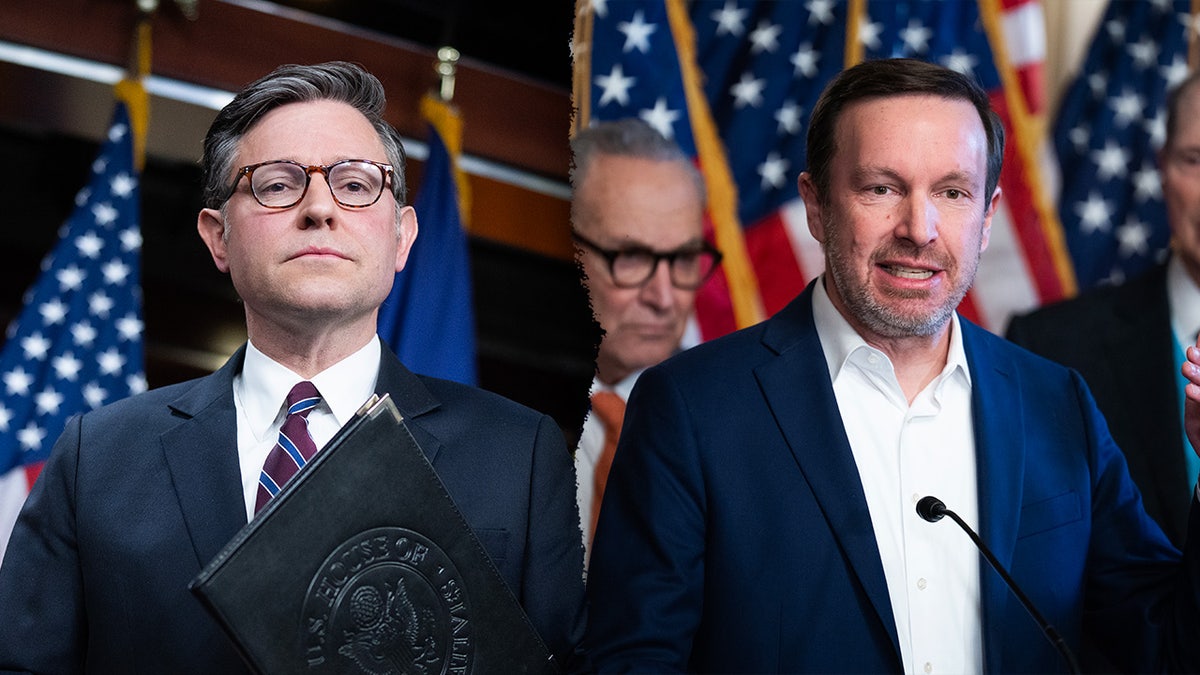
A brewing fight over federal spending and the Department of Homeland Security is amplifying uncertainty for businesses and investors who depend on predictable government operations. As January 31, 2026, approaches, lawmakers are weighing how to pass a large funding package while facing Democratic threats to block any measure that includes DHS money unless new oversight and limits are adopted. The standoff raises the risk of a partial shutdown, which can slow permitting, delay federal contracting workflows and disrupt travel-dependent sectors already dealing with weather and operational disruptions.
At the center of the dispute is whether DHS funding should remain bundled with the rest of annual appropriations. Supporters of keeping the package intact say bundling is often the only practical way to move must-pass spending through Congress on a tight clock. Opponents argue that DHS funding is uniquely controversial right now and should be debated separately so other agencies are not held hostage to immigration-enforcement disputes.
For markets, shutdown risk tends to matter less because of direct long-term economic damage and more because of short-term frictions: federal workers furloughed, contractors delayed, grant processing slowed, and agencies postponing routine work. Even limited shutdowns can ripple into sectors that rely on federal data releases, inspections, approvals or court-related processes. Companies with government customers, from IT vendors to logistics providers, often prepare contingency plans when a deadline approaches without a clear path to passage.
The latest pushback is linked to political fallout from a fatal shooting involving federal agents, which has renewed calls for tighter operational rules and more transparent use-of-force standards. Democrats have argued that appropriations should be leveraged to force reforms, while Republicans have largely defended the administration’s approach and warned that restricting DHS could hinder enforcement and border-related operations.
Negotiators have discussed separating DHS into its own bill, a procedural choice that could reduce collateral damage to other departments but might also slow passage, invite new amendments, and increase the odds of brinkmanship. Another possibility is a short-term continuing resolution, which keeps agencies operating but can limit new program starts and complicate planning for both agencies and contractors.
In the near term, the primary business impact is uncertainty: procurement timelines, staffing assumptions and compliance deadlines can shift quickly during budget fights. If leaders reach a deal, the episode may still leave a mark by shaping how Congress funds immigration-related agencies and how oversight requirements are written into future spending bills.