25/01/2026
Wall Street sinks after Trump threatens tariffs on European imports linked to Greenland dispute
U.S. stocks fell sharply as investors reacted to new tariff threats against multiple European countries, with tech shares leading the slide and safe-haven assets surging amid renewed trade-war fears.
- Published
- Revised
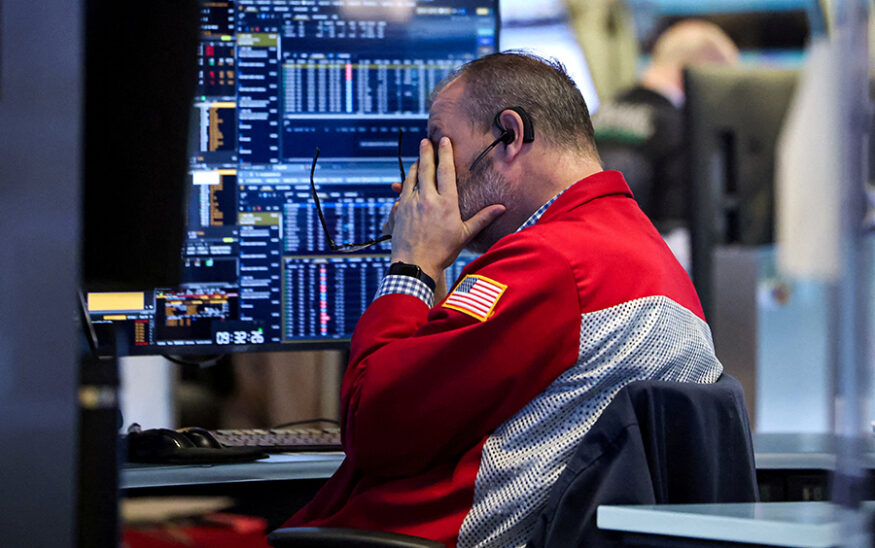
U.S. stocks tumbled after President Donald Trump threatened new tariffs on imports from eight European countries, a move tied to intensifying tensions over Greenland and broader transatlantic relations. The selloff was broad, dragging down most sectors and deepening what has been a volatile start to 2026 for markets already sensitive to policy shocks and global uncertainty.
The S&P 500 dropped 2.1%, while the Dow Jones Industrial Average fell 1.8% and the Nasdaq slid 2.4%. Large technology stocks helped drive the losses, reflecting how quickly trade threats can ripple through global supply chains and earnings expectations. Investors also sought shelter in assets that often benefit during geopolitical stress: gold and silver prices jumped sharply during the session.
According to details circulated around the announcement, Trump said a 10% import tax would begin in February on goods from Denmark, Norway, Sweden, France, Germany, the United Kingdom, the Netherlands and Finland. The prospect of retaliation from Europe added to investor anxiety, raising the likelihood of tit-for-tat measures that could amplify costs for businesses and consumers on both sides of the Atlantic.
The market reaction underscores how closely traders are watching the intersection of geopolitics and economic policy. Tariffs can alter corporate margins, force companies to re-route sourcing, and pressure pricing — all while the Federal Reserve tries to gauge how much policy-driven inflation risk exists alongside concerns about growth. With traders anticipating key economic releases and corporate earnings updates, the tariff shock introduced another major variable into the outlook.
The slide also arrived as leaders and executives met at the World Economic Forum in Davos, where discussions highlighted the risk that trade conflicts could spread from rhetoric to sustained policy. For investors, the immediate question is whether the tariff threats harden into a longer confrontation or become negotiating leverage. Either way, the day’s sharp losses illustrated how quickly confidence can break when markets price in renewed trade-war dynamics.