27/01/2026
Trump says tariffs on South Korean goods will rise to 25% as Washington pressures Seoul over delayed trade framework
President Donald Trump said the U.S. will raise tariffs on South Korean goods, arguing Seoul has not followed through on a trade framework announced in 2025. The move threatens autos, lumber, pharmaceuticals and broader imports, and risks renewed volatility in markets and diplomatic relations.
- Published
- Revised
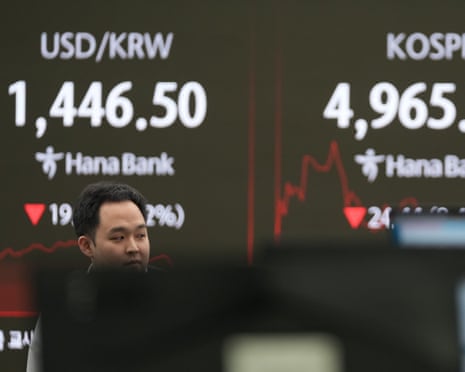
Tariffs return to the center of U.S.-South Korea relations
President Donald Trump said the United States will increase tariffs on South Korean goods to 25%, escalating pressure on a key ally and major trading partner. Trump framed the decision as a response to what he described as delays in South Korea’s legislative process to approve or implement the trade framework the two sides announced in 2025.
The announcement signaled that tariffs remain one of the administration’s preferred tools for forcing action in negotiations. It also revived concerns among importers and manufacturers about supply-chain costs, pricing pressure, and the possibility of retaliatory moves if talks break down.
What products are implicated
Trump said the higher tariffs would apply to a broad set of imports and specifically pointed to autos, lumber, and pharmaceuticals. Business groups have warned that such measures can ripple through consumer prices and industrial costs, particularly for industries that rely on cross-border components and just-in-time supply chains.
In South Korea, the news fueled uncertainty over whether the move is immediate, how it would be administered, and what legal mechanism the U.S. would use to sustain the higher rates if challenged. The dispute also heightened attention on the domestic politics of ratification and investment commitments.
Investment promises and market reactions
The trade framework has been tied in public discussion to a large South Korean investment package in the U.S., and Trump argued that the U.S. had already moved to reduce its own tariffs in anticipation of follow-through. South Korean officials reiterated support for the deal and prepared additional engagement with Washington as lawmakers debated related bills.
Investors monitored the impact on Korean exporters, particularly carmakers and firms with meaningful U.S. exposure. Even brief tariff headlines can affect currency markets, equity sentiment, and procurement decisions for companies that must plan pricing months in advance.
What comes next
The dispute now moves into a high-stakes window of diplomacy and domestic politics on both sides. If no compromise emerges, higher tariffs could become embedded, prompting companies to reconsider sourcing and accelerating efforts to localize production in the U.S. or redirect exports to other markets.
- Whether Seoul fast-tracks related legislation and investment provisions
- How and when U.S. Customs would apply any new tariff rates
- Potential legal challenges to the administration’s tariff authority
- Risk of retaliation or spillover to other trade negotiations