25/01/2026
Federal agent shooting in Minneapolis fuels protests and a Washington fight over DHS funding
A fatal shooting by a federal agent in Minneapolis has sparked nationwide protests and intensified a political battle in Washington over immigration enforcement and Department of Homeland Security funding.
- Published
- Revised
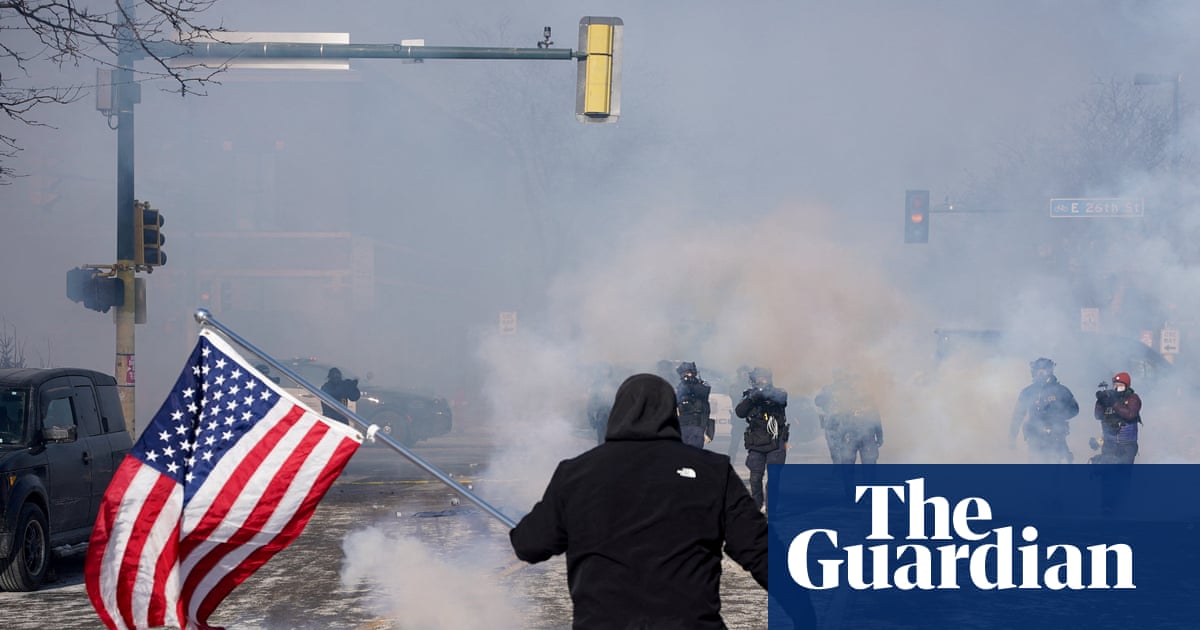
A fatal shooting by a federal officer in Minneapolis has triggered a wave of anger across the country, with demonstrations swelling in multiple cities and lawmakers escalating pressure on the Department of Homeland Security. The incident, which occurred this weekend, has become a flashpoint in the broader argument over the Trump administration’s immigration enforcement posture and the scope of federal power during domestic operations.
The case centers on Alexander “Alex” Pretti, described in reports as a 37-year-old nurse, who was shot and killed during an encounter involving federal agents. Public outrage intensified after video circulating online appeared to challenge official claims about the threat level Pretti posed at the moment force was used. Community leaders and elected officials condemned what they characterized as a pattern of aggressive tactics, while federal officials and allies defended the operation as necessary for security and enforcement.
In Washington, Democrats pointed to the shooting as evidence that DHS and its immigration components require tighter limits and sharper accountability mechanisms. Some lawmakers signaled they could use funding negotiations and procedural leverage to force changes, arguing that Congress should not write blank checks for agencies operating in ways that inflame unrest and erode public trust.
Republicans and administration officials countered that federal agents are operating in volatile environments where split-second decisions are unavoidable. They argued that critics are politicizing law enforcement work and warned that curtailing resources could weaken federal capacity to carry out immigration law and protect officers in the field.
As protests spread, organizers framed the shooting as part of a broader struggle over immigration enforcement, racial profiling, and the federal footprint in American cities. In several places, crowds gathered for vigils and marches, pressing for independent investigations and policy changes. Local leaders urged residents to demonstrate peacefully while calling for transparency about the chain of events and the rules of engagement used by federal teams.
The political impact is likely to extend beyond immediate investigations. The shooting lands amid heightened polarization over immigration policy, and it could influence upcoming budget fights, oversight hearings, and negotiations over enforcement authorities. For many communities, the outcome will be measured not only by any disciplinary or legal findings, but also by whether federal agencies change operational practices that critics say have grown more confrontational.