25/01/2026
Massive winter storm snarls U.S. travel, power and roads as tens of thousands of flights are wiped out
A sprawling winter storm pushed across the United States on Sunday, shutting down airports, glazing highways with ice and knocking out power for hundreds of thousands of customers. Airlines canceled thousands of flights, while emergency officials warned the cold that follows could keep conditions dangerous for days.
- Published
- Revised
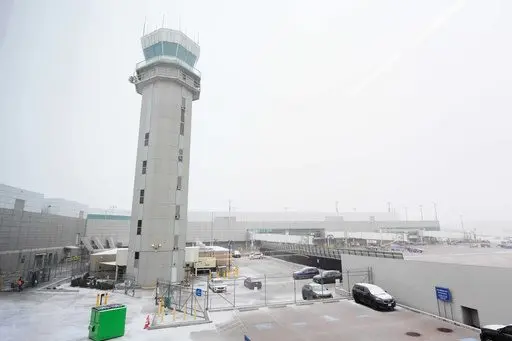
A massive winter storm sweeping across the United States on Sunday, January 25, 2026, triggered widespread flight cancellations, dangerous driving conditions and large-scale power outages. The sprawling system stretched from parts of the South and lower Midwest into the Northeast, bringing varying mixes of snow, sleet and freezing rain depending on location. Forecasters warned that even places that avoided the heaviest snow could still see major disruption because ice can make roads impassable and take down power lines and trees.
Air travel took a severe hit as airlines scrubbed schedules at major hubs, leaving travelers stranded and forcing last-minute rebooking. In the Northeast corridor and other heavily traveled regions, airports posted long lists of cancellations and delays as crews struggled to keep runways and taxiways safe. Aviation analysts noted that when storms cover multiple regions at once, cancellations can cascade because aircraft and crews cannot reposition, and passengers face fewer alternative routings.
Utilities across several states reported outages as ice and heavy snow weighed on lines and as strong gusts snapped branches. For many communities, the timing created additional risk: temperatures were forecast to plunge after the storm’s passage, raising the stakes for restoring heat and electricity quickly. Local emergency management offices urged residents to charge devices, gather blankets, check on neighbors and avoid unnecessary travel, especially overnight and early morning when refreezing can turn slush into black ice.
Public officials in multiple states issued or expanded emergency declarations to speed response and free resources for plowing, salting and rescue operations. In some areas, authorities asked residents to stay off roads so crews could work and so first responders could reach emergencies. Hospitals and clinics also prepared for weather-related injuries, including crashes, falls and cold exposure, while schools and universities weighed closures or remote learning depending on local conditions.
The storm’s reach also affected freight and commuting, with icy interstates slowing trucks and disrupting supply deliveries. Retailers and grocery stores in hard-hit areas reported surges in demand for basics such as bottled water, bread and batteries. Meteorologists cautioned that recovery would not be immediate: lingering precipitation, wind-driven drifting and the incoming cold air could keep roads slick and hamper repair work on power lines.
Travelers impacted by canceled flights were advised to check airline apps frequently and understand refund rules if they decide not to travel. Consumer advocates emphasized that passengers are generally entitled to a refund for canceled flights when they choose not to accept rebooking, though timing and method can vary by carrier. With airports crowded and phone lines jammed, many travelers found online tools and in-airport customer service desks to be the fastest routes to rebooking.