25/01/2026
Outrage grows after a second fatal shooting by federal agents sparks protests and a funding standoff
A second deadly shooting by U.S. federal agents in Minneapolis in just weeks has triggered protests, renewed scrutiny of ICE tactics, and a new budget confrontation in Washington.
- Published
- Revised
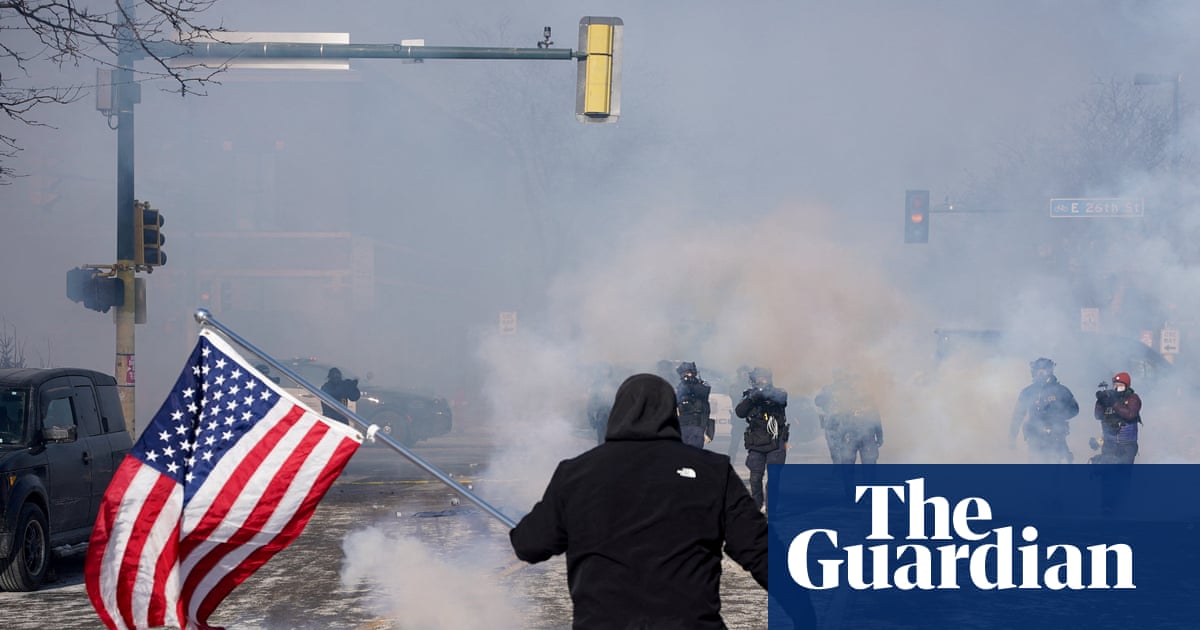
Public anger intensified Sunday, January 25, 2026, after reports of another fatal shooting involving U.S. federal agents in Minneapolis—described as the second such death in roughly three weeks—pushed protesters into streets in multiple cities and fueled new demands for investigations and policy changes.
The incident centers on Alex Pretti, a 37-year-old nurse, who was killed during a confrontation that witnesses say escalated quickly. Accounts referenced in early coverage said he was trying to intervene when federal officers were involved in an altercation. The death quickly became a flashpoint for critics of aggressive immigration enforcement and for local leaders who argue federal actions are destabilizing public safety rather than improving it.
Video described by the reporting appeared to contradict official claims about what happened in the moments before shots were fired, adding to calls for body-camera releases, a full timeline of events, and independent review. Demonstrators described the death as part of a broader pattern, while supporters of the crackdown defended federal agents as operating in dangerous conditions.
Minnesota officials issued sharp condemnations. Local leadership framed the episode as unacceptable and urged accountability, while also calling for peaceful protest and restraint to prevent additional injuries. The shooting also revived the most sweeping demand heard in rallies: defunding or abolishing ICE, a position that remains politically polarizing even among many lawmakers who support immigration reform.
In Washington, the incident has begun to shape near-term legislative tactics. Senate Democrats signaled they could use spending leverage over the Department of Homeland Security in response to ICE actions, raising the possibility of a broader budget standoff if negotiations harden. The threat adds pressure to an already tense funding environment and increases the chance of short-term stopgap measures or targeted restrictions tied to oversight requirements.
The latest developments come as winter weather disrupts travel and emergency services in large parts of the country, creating additional strain for local governments. For many demonstrators, the Minneapolis death is not an isolated event but the latest symbol of a broader argument: that enforcement priorities, transparency standards, and use-of-force rules need tighter limits and clearer public reporting.