25/01/2026
Outrage grows after Minneapolis nurse killed by federal agent as storm disruption spreads
National anger intensified after a second fatal shooting by federal immigration agents in weeks, while a major winter storm continued to snarl travel and daily life across the U.S.
- Published
- Revised
A new flashpoint in Minneapolis
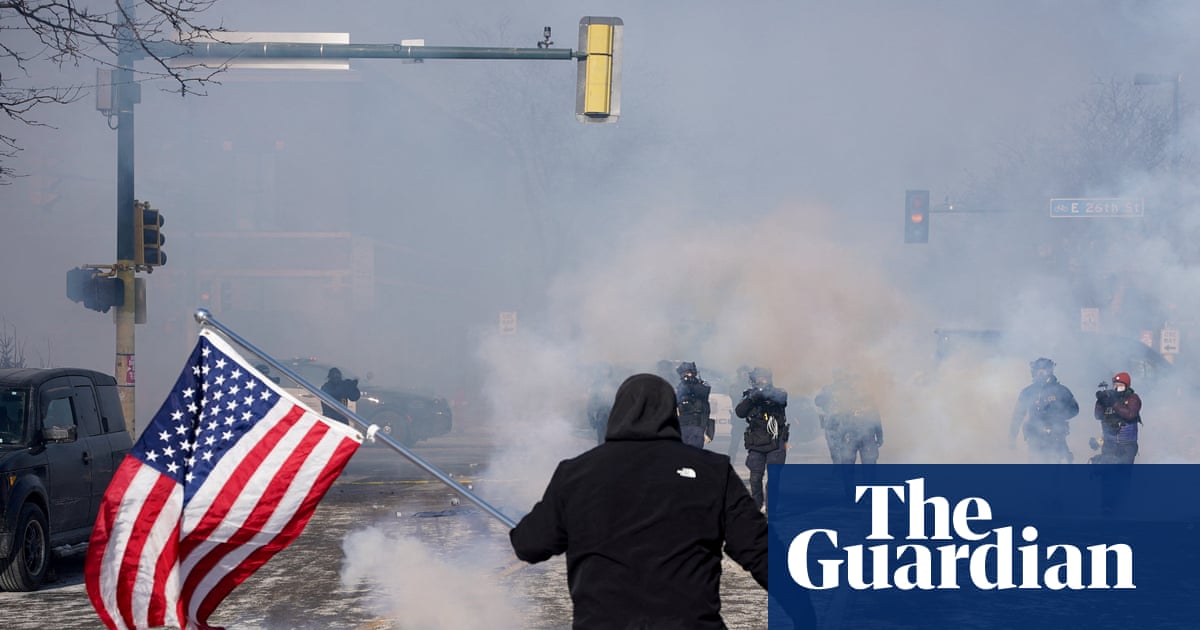
Public outrage intensified over the weekend after a fatal shooting in Minneapolis involving a federal agent, becoming the latest flashpoint in a growing national argument over immigration enforcement tactics. Demonstrations and calls for accountability spread, with critics arguing that armed federal operations are escalating into deadly encounters and that transparency is being replaced by political messaging.
According to reporting, the victim was Alex Pretti, a 37-year-old nurse, killed on Saturday, January 24, 2026. The shooting drew immediate protests and renewed attention because it followed another deadly incident involving federal immigration agents earlier in January. Activists and some elected officials demanded independent investigations, clearer rules for use of force, and stronger oversight of federal enforcement activities operating inside U.S. cities.
The episode also sharpened the political divide in Washington. Democrats accused the administration of turning immigration operations into high-risk street confrontations and of mischaracterizing what happened to justify aggressive tactics. Supporters of the administration, meanwhile, framed the incident through a law-and-order lens and defended the presence of federal agents as necessary to carry out immigration and public-safety priorities.
The winter storm adds stress to an already tense weekend
At the same time, a sprawling winter storm was still disrupting travel and routines across wide parts of the United States. Cancellations mounted across airports and passenger rail networks, and local officials urged residents to avoid unnecessary travel. The storm’s knock-on effects—delays, closures, and emergency declarations—compounded frustrations in many communities already on edge from political and social conflict.
Together, the Minneapolis shooting and the storm’s ongoing disruption created a weekend defined by simultaneous crises: street-level protests and policy disputes, alongside practical challenges that strained transportation and public services. For many Americans, the overlap reinforced a sense that the country is entering 2026 under pressure, with tensions around policing, immigration, and government accountability colliding with real-world disruptions that affect millions of daily lives.