25/01/2026
Protests spread after Minneapolis shooting by federal agents, as winter storm disrupts travel
Outrage over the fatal shooting of a Minneapolis nurse during a federal enforcement operation fueled demonstrations in multiple U.S. cities as an expansive winter storm brought cancellations, outages, and warnings across broad swaths of the country.
- Published
- Revised
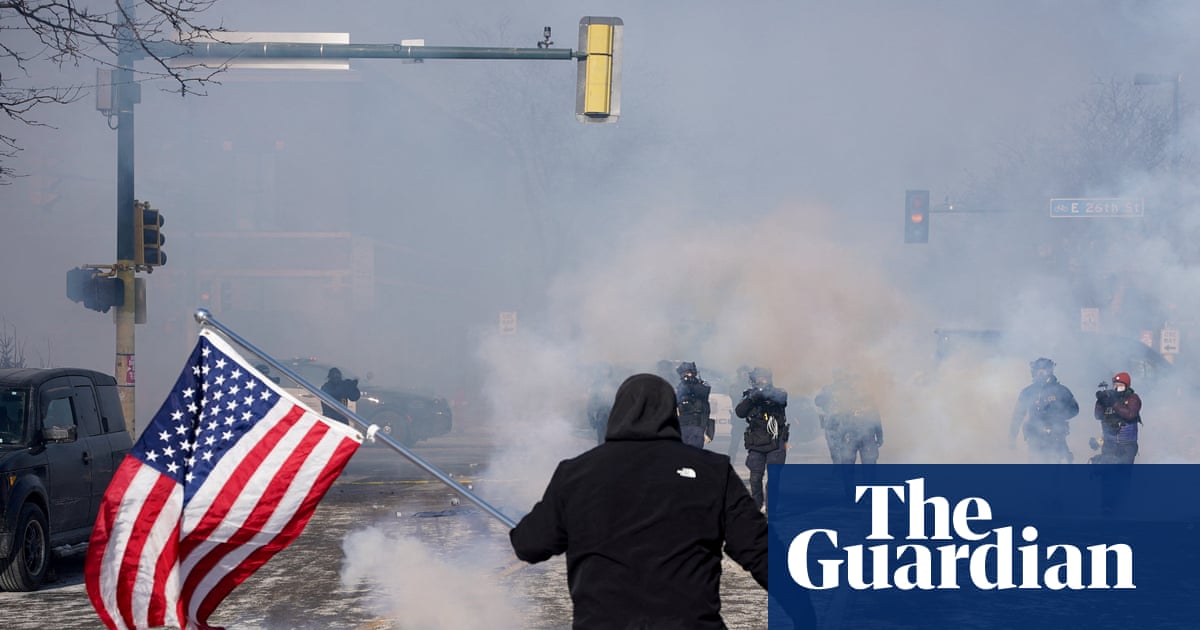
A fatal Minneapolis shooting ignites national backlash
Crowds gathered in several U.S. cities over the weekend after federal agents fatally shot Alex Pretti, a 37-year-old nurse, during an enforcement operation in Minneapolis. Videos circulating online appeared to show Pretti holding a phone when he was tackled and shot, raising immediate questions about official claims that he posed a lethal threat. City and state officials condemned the incident and demanded accountability, while demonstrators framed the shooting as part of a broader pattern tied to stepped-up federal immigration enforcement.
The unrest unfolded in frigid conditions, with protesters in Minneapolis and other cities rallying outside federal buildings and downtown corridors. Organizers and local leaders described the demonstrations as a direct response to tactics they say have grown more aggressive, and they called for oversight, identification requirements, and stricter rules governing the use of force. The shooting has become a flashpoint in a widening dispute over how enforcement actions are being carried out in major metro areas.
Storm impacts collide with political tension
At the same time, a large winter storm system pushed across wide sections of the United States, complicating travel and daily life in many regions. Airlines reported significant disruption, and warnings stretched across a long corridor of states as snow, sleet, and freezing rain affected road conditions and power infrastructure. Local governments urged residents to limit travel, prepare for outages, and monitor forecasts as the system advanced.
The combination of public anger and severe weather created a volatile weekend atmosphere: cities coping with demonstrations also faced strained transportation and emergency response capacity. With temperatures dropping and conditions deteriorating, officials in multiple areas emphasized public safety while also tracking public order concerns linked to the protests. Observers noted that the convergence of a highly charged political moment and an unusually broad winter storm amplified the sense of national unease.
What comes next
Investigations and political responses were expected to intensify in the days ahead, including renewed pressure on lawmakers to revisit enforcement policy and funding debates. Protest organizers signaled more actions could follow, while municipal leaders called for transparency around the use-of-force decision. Separately, weather agencies warned that impacts from the storm could linger, including icy roads, delayed flights, and additional outages as the system moves through and cleanup begins.