25/01/2026
U.S. outrage grows after another fatal federal-agent shooting as protests spread
Anger and protests intensified after an ICU nurse in Minneapolis was killed in a shooting involving federal agents, the second such death in weeks. Democrats escalated pressure on the administration, while the White House defended the action as unrest widened amid a major winter storm.
- Published
- Revised
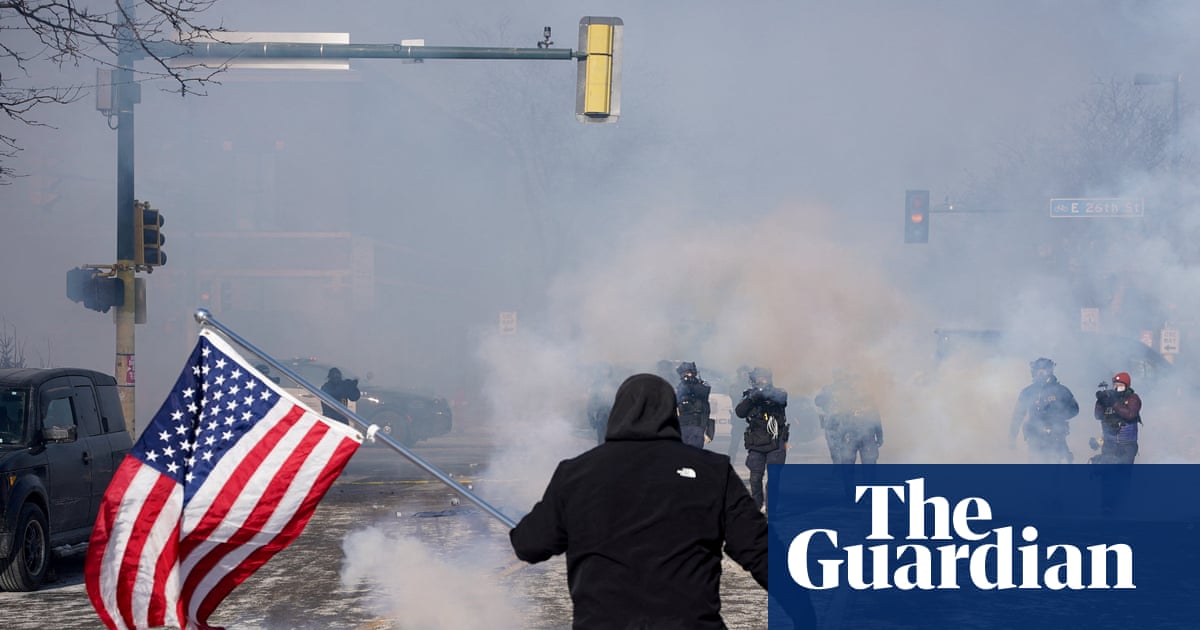
National outrage sharpened this weekend after another deadly shooting involving federal agents—reported as the second fatal incident in roughly three weeks—sparked protests and renewed demands for accountability. The death of Alexander Pretti, identified in coverage as a 37-year-old nurse in Minneapolis, became a flashpoint for critics who say federal immigration enforcement has become more aggressive and less transparent, especially in tense on-the-street encounters.
Questions about what happened during the encounter spread rapidly online. Reporting cited video evidence suggesting the victim was holding a phone rather than a weapon, a detail that intensified skepticism about official claims that the situation posed an immediate lethal threat. Local and state leaders condemned the killing, and demonstrators in multiple cities held rallies and vigils that blended grief with anger at federal agencies’ tactics.
In Washington, the incident quickly turned into a political test. Senate Democrats signaled they could use funding leverage—aimed at the Department of Homeland Security—as pressure for changes to enforcement and oversight. Administration allies countered that federal officers faced dangerous circumstances and that national leaders must prioritize “law and order,” framing the broader protests as politically motivated.
The controversy unfolded alongside other high-profile headlines, including the White House hosting a private screening event tied to a new documentary about the First Lady, which critics attacked as tone-deaf amid spiraling unrest. The administration’s defenders argued the event had long been scheduled and insisted governing can continue even during crises.
Complicating the national mood, a massive winter storm system affected wide parts of the United States, disrupting travel and daily life just as protests grew in size. Officials in impacted regions urged caution as communities navigated both public-safety challenges from extreme weather and rising tensions related to demonstrations.
As of Sunday, January 25, 2026, the shooting remained a major political and public-safety story, with calls for independent review and clearer rules governing federal operations. Protest organizers said more demonstrations were planned, while critics of enforcement called for deeper structural reforms rather than case-by-case investigations.