25/01/2026
Winter Storm Fern disrupts travel across the U.S. with thousands of flight cancellations
A major winter storm is sweeping across the United States from January 23–26, triggering widespread emergency declarations and severe travel disruption as airlines cancel flights and forecasters warn of dangerous snow, ice, and arctic cold.
- Published
- Revised
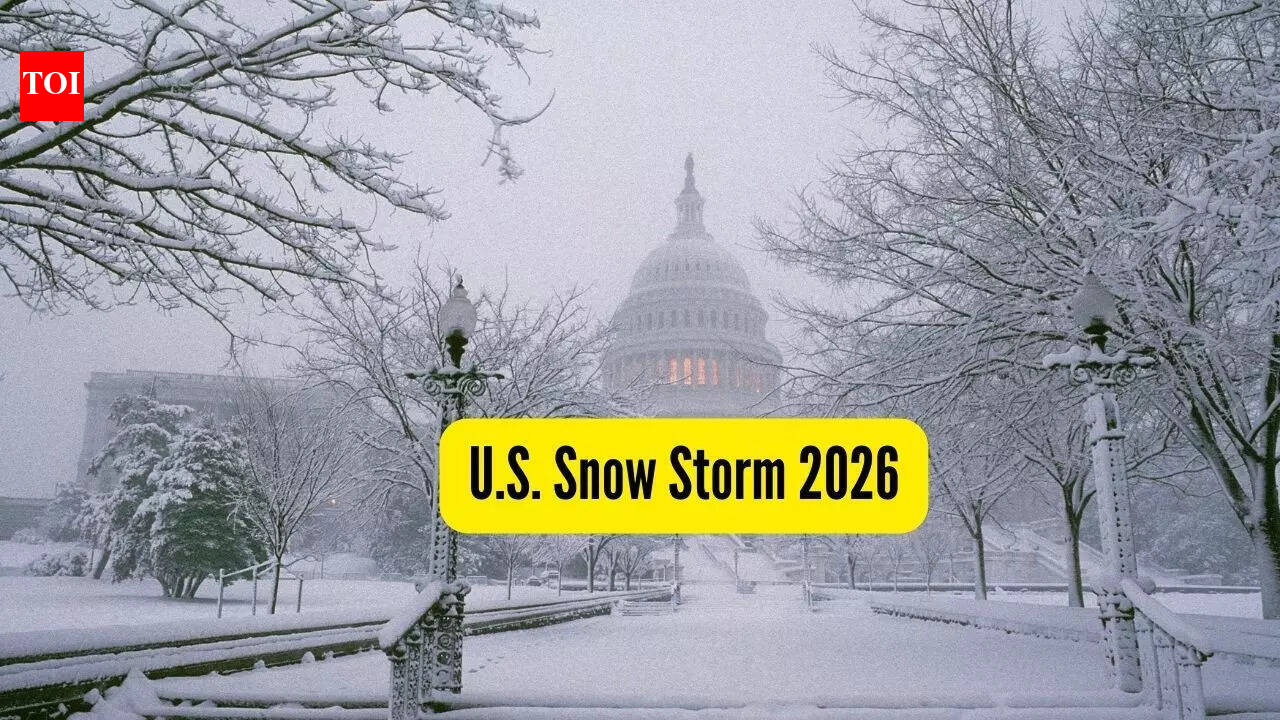
A powerful winter system officially named Winter Storm Fern is pushing across a wide swath of the United States, with the heaviest impacts expected between January 23 and January 26, 2026. Forecasters warned that the storm could combine heavy snow, icing, and plunging temperatures—conditions that tend to create the most dangerous mix for travel, power reliability, and local emergency response.
Travel has already taken a major hit. Airlines have been forced to cancel large numbers of flights over the weekend, and disruptions are expected to ripple through hubs well beyond the storm’s core path as aircraft and crews get displaced. Airports, road crews, and public safety agencies urged travelers to check conditions repeatedly, because timing and precipitation type can shift quickly from one county to the next.
Officials in multiple states moved to declare emergencies as the system approached, a step that can help activate additional resources, streamline procurement, and put transportation and public works agencies on higher alert. Emergency management leaders said the goal is to reduce injuries from road accidents and exposure, and to be ready for possible outages where ice loads and wind stress power lines.
The National Weather Service and state and local agencies have emphasized preparedness basics: limiting unnecessary travel during peak conditions, keeping phones charged, ensuring vehicles have winter safety supplies, and having backup heat plans where feasible. Public health officials also remind residents that extreme cold can be as dangerous as heavy snow—especially for older adults, people without stable housing, and anyone facing heating interruptions.
As the storm moves east, impacts are expected to change by region. Some locations are likely to see primarily snow, while others may experience an ice-first scenario that can be harder on roads and infrastructure. Authorities continue to stress that even a small shift in the storm track can significantly alter who gets the worst conditions, so residents should follow local alerts and updated forecasts.