26/01/2026
Major winter storm disrupts daily life across the U.S., closing schools and straining power crews
A sprawling winter storm pushed millions of Americans under alerts on January 26, 2026, triggering widespread school closures, remote-learning shifts, hazardous travel conditions, and power outages from the South through the Northeast.
- Published
- Revised
A wide-reaching system hits from Texas to Maine
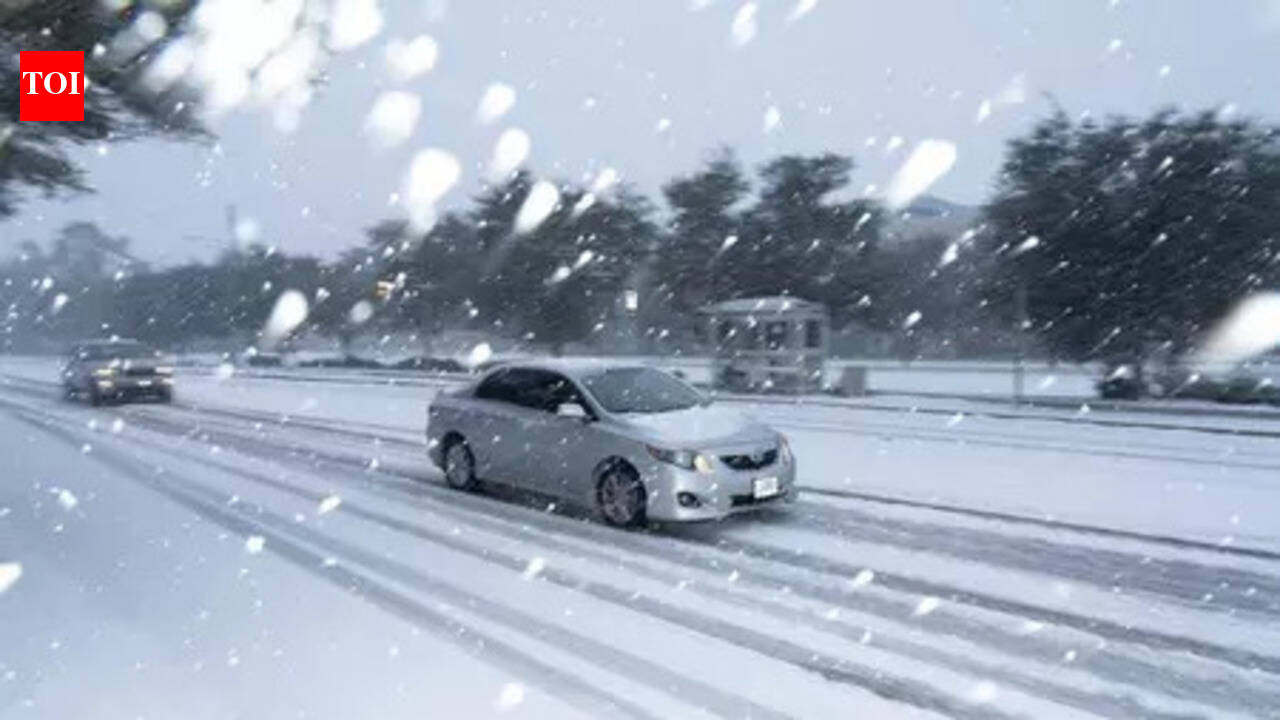
A severe winter storm sweeping across large parts of the United States disrupted daily routines on Monday, January 26, 2026, as snow, ice and freezing rain created treacherous road conditions and contributed to widespread power outages. Weather alerts stretched across multiple regions, and officials in many states urged residents to avoid travel where possible while crews treated roads and worked to restore electricity.
Across the affected corridor, transportation departments reported difficult conditions and intermittent closures. Utility companies said repairs could take time in areas where ice and wind damaged lines or made access unsafe. With bitter cold following the storm, local governments and school districts emphasized that closures were driven by concerns about student safety, bus routes, and the ability of staff to reach buildings.
Schools pivot to remote learning and full-day shutdowns
Multiple large districts suspended in-person instruction, and some shifted to remote learning to keep students on schedule while limiting travel. Large urban systems announced cancellations of after-school programs and extracurricular activities, while surrounding districts made similar calls as the storm moved through.
In several regions, districts also canceled athletics and evening activities, citing icy sidewalks, reduced visibility, and the risk of stranded vehicles. Some districts preemptively extended closures into a second day, arguing that the storm’s slow movement would leave roads untreated or refrozen overnight. Colleges and universities also adjusted, moving instruction online while keeping limited campus services open for those who needed them.
Power outages and safety messaging intensify
As outages spread, local agencies asked residents to conserve energy, use safe heating methods, and check on vulnerable neighbors. In communities hit by both ice and snow, emergency services cautioned that response times could lengthen due to blocked or slick roads.
For families, the storm created a mix of disruptions: childcare gaps, changed work plans, and the need to keep up with shifting district announcements. Officials encouraged people to follow local advisories closely, keep phones charged, and plan for intermittent power restoration. With more precipitation and freezing conditions possible in the days ahead, forecasters warned that hazards could persist even after the main system passes.
While impacts varied by region, the overall message from authorities remained consistent: avoid unnecessary travel, treat roads and sidewalks as potentially icy even after plows pass, and prepare for additional weather-related interruptions through the week.