26/01/2026
Massive winter storm disrupts travel and closes schools across large swath of U.S.
A major winter storm spanning multiple regions of the United States is forcing widespread school closures, triggering power outages, and snarling travel as millions remain under winter weather alerts.
- Published
- Revised
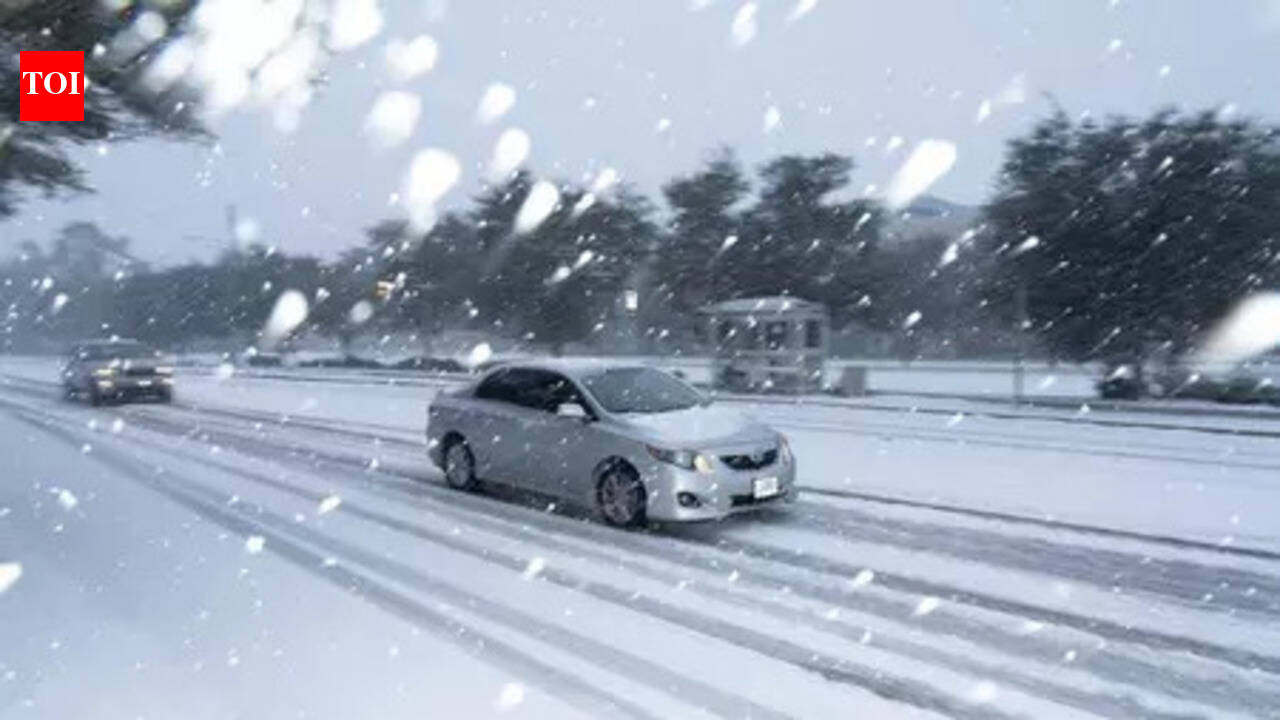
A sprawling storm hits daily life from classrooms to commutes
A powerful winter system pushed across broad sections of the United States on Monday, bringing heavy snow, sleet, and ice that quickly disrupted daily routines. School districts and universities in multiple states shifted to remote instruction or canceled classes outright, citing hazardous roads and rapidly changing conditions. Local officials urged residents to avoid unnecessary travel, warning that even short trips could turn dangerous as temperatures dropped and precipitation refroze.
The storm’s footprint stretched across a wide corridor, affecting communities well beyond the typical snow belt. Emergency crews responded to a mix of problems: stalled vehicles, slippery interstates, downed trees and lines in ice-prone areas, and localized flooding where rain followed freezing temperatures. In many places, the biggest challenge was not just snowfall totals but the combination of wind, ice, and rapidly deteriorating visibility that made plowing and salting difficult.
Closures, outages, and safety warnings
As conditions worsened, school leaders emphasized that closures were driven by student and staff safety, plus the difficulty of operating buses on untreated or impassable roads. Utilities reported outages in pockets where ice accumulation weighed down branches and cables, and some jurisdictions opened warming centers or extended shelter hours for residents without heat. Public safety agencies reiterated basic storm guidance: limit travel, keep emergency supplies on hand, and check on neighbors who may be isolated.
Forecasters cautioned that impacts could linger even after the main precipitation shield moved on, because refreezing and black ice can persist into the next day, especially on bridges, ramps, and untreated side streets. With millions still under alerts, emergency managers continued to monitor changing storm bands and urged the public to follow local advisories and roadway updates.
- Schools and universities announced closures or moved classes online as roads turned hazardous.
- Power outages were reported in some areas where ice and wind damaged lines and trees.
- Officials warned that black ice and refreezing could extend danger beyond the main storm.