26/01/2026
Severe winter storm disrupts daily life across U.S., forcing closures and travel chaos
A sprawling winter storm stretched from the South to the Northeast on January 26, 2026, shutting schools, knocking out power and snarling travel. Officials urged residents to stay off roads as snow, ice and bitter cold created hazardous conditions in many states.
- Published
- Revised
A storm system with nationwide ripple effects
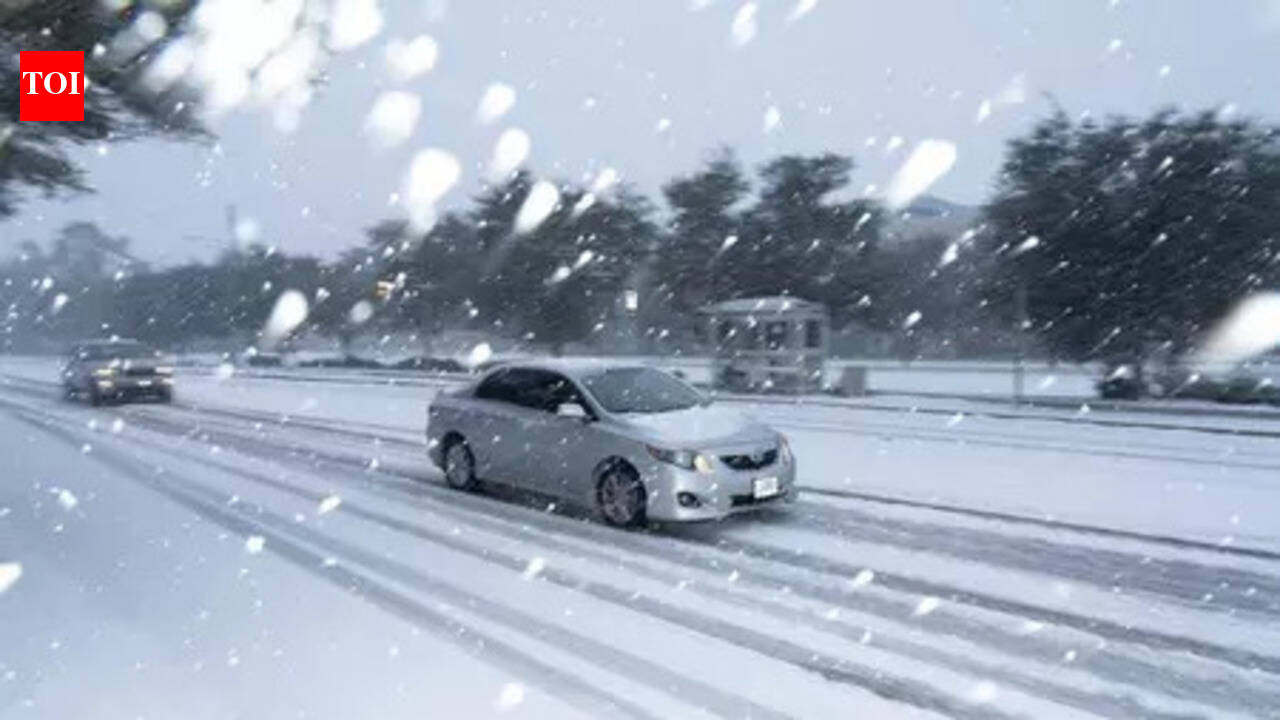
A major winter storm swept across large parts of the United States on Monday, January 26, 2026, disrupting schools, transportation and basic services across a wide corridor of the country. Snow and ice created dangerous road conditions in many areas, while power failures left hundreds of thousands of households struggling to stay warm. Local and state officials repeatedly urged people to avoid unnecessary travel, warning that even short trips could become risky as roads glazed over or visibility deteriorated during heavier bursts of precipitation.
While winter storms are a routine part of the season, this one stood out for its reach and the way it forced many communities into rapid contingency planning. In some places, public agencies pivoted at the last moment to remote operations, while in others, full closures became the only practical option. Families scrambled to arrange child care, shift work schedules, or prepare for a day without reliable electricity. Utilities and road crews worked extended shifts to restore lines, clear fallen debris, and treat highways, but progress varied sharply by region depending on how quickly conditions changed.
Schools and universities move online or cancel classes
Education systems across multiple states suspended in-person instruction. Some major cities shifted to remote learning for the day, while others canceled classes entirely and paused after-school programs, sports and adult education. District leaders said the decisions were driven by the same core concerns: keeping buses off slick roads, reducing the chance of crashes during student pickup and drop-off, and minimizing exposure for staff who would otherwise be required to travel during the worst conditions.
In parts of the Midwest and Ohio Valley, both K-12 districts and universities adjusted schedules. Several campuses continued limited operations—keeping essential services open—while moving lectures online. Elsewhere, districts preemptively closed for multiple days in anticipation that freezing rain and falling temperatures could prolong the danger even after the heaviest precipitation ended. Officials emphasized that the storm’s second-order effects—refreezing at night, downed trees, and untreated side streets—could keep travel risky well beyond the initial forecast window.
Travel and power issues deepen the disruption
Winter weather also complicated travel, particularly across the eastern half of the country. Drivers faced a mix of snow-covered pavement and ice, a combination that often produces the most unpredictable traction. Even where highways were treated, conditions changed quickly, especially on bridges, overpasses and shaded roads where temperatures stayed below freezing. With many residents staying home, commercial deliveries and commuter patterns also shifted, adding stress to supply chains and local services.
Power outages added another layer of concern for households, especially those with limited heating alternatives. As utilities rushed to restore service, authorities urged people to conserve energy where possible, charge devices, and check on neighbors who might be elderly or medically vulnerable. Emergency management agencies repeated a familiar winter message: keep informed through official alerts, prepare for sudden changes, and assume conditions could worsen before they improve.