26/01/2026
Winter storm disrupts travel and daily life across wide swath of the U.S.
A major winter storm spanning large parts of the country is snarling transportation, forcing school closures and triggering widespread safety warnings as hazardous ice and heavy snow move across multiple regions.
- Published
- Revised
Storm-driven shutdowns spread from classrooms to runways
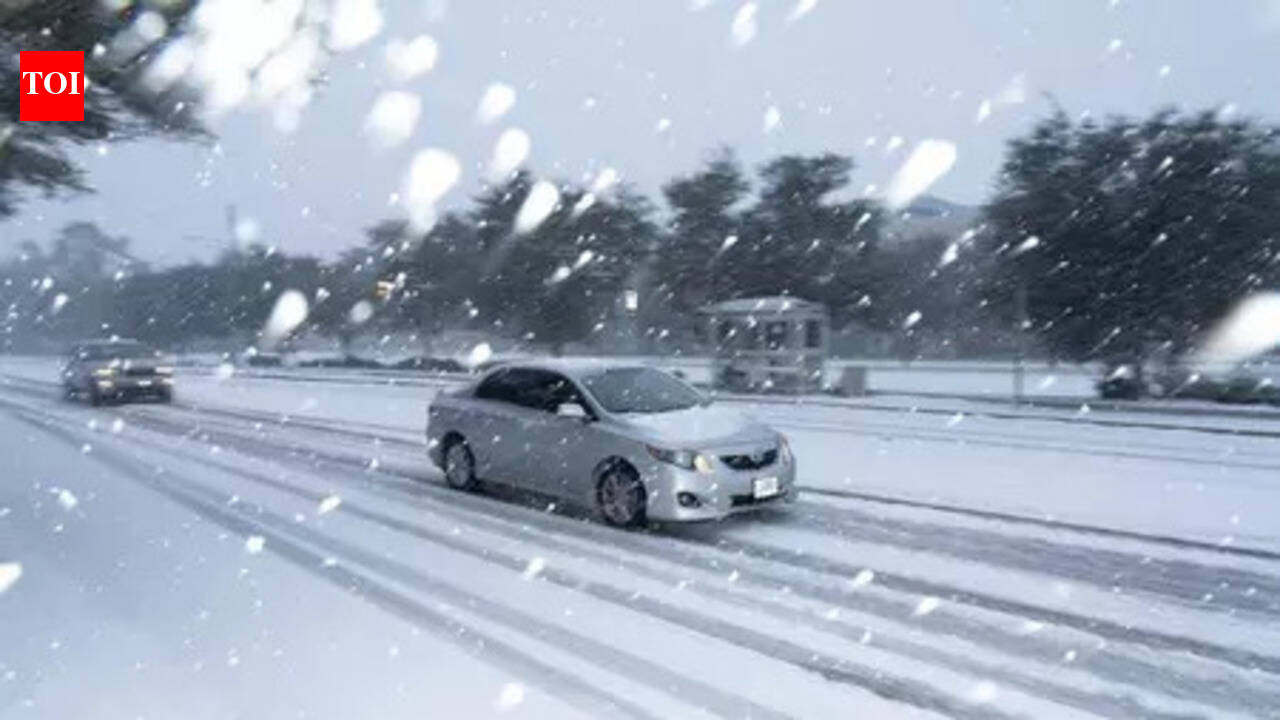
A powerful winter system sweeping across much of the United States is disrupting normal life on Monday, January 26, 2026, with school districts closing or shifting online, drivers facing dangerous road conditions, and utilities responding to outages as the storm presses east. Communities from the South and Midwest through the Mid-Atlantic and Northeast reported a mix of heavy snow, sleet, and freezing rain that turned commutes into high-risk trips and complicated emergency response.
Local officials urged residents to avoid unnecessary travel and to treat even short trips as potentially hazardous, citing rapid changes in surface conditions, reduced visibility, and the likelihood of black ice. Many school systems opted to cancel classes or move instruction online, emphasizing that bus routes and student drop-offs become especially unsafe when roads glaze over or when snowfall rates quickly overwhelm plowing operations.
Transportation disruptions extended beyond highways. Air travel saw significant interruptions as airports and carriers managed de-icing backlogs, crew repositioning problems, and weather-driven capacity reductions. In several metro areas, the storm also interrupted routine services and created delays for deliveries as fleets slowed or paused operations until conditions improved.
Public agencies repeated a common message: if you do not have to be on the roads, stay home until crews can clear routes and temperatures stabilize.
Forecasters said the most acute impacts can shift quickly as the system changes track and precipitation type, meaning a region expecting snow can end up with a damaging ice layer instead. Residents were advised to monitor local alerts, charge devices, prepare for short-term power interruptions, and keep emergency supplies on hand, particularly in areas that frequently see downed branches and lines during freezing rain.
As the storm progresses, authorities are focusing on life-safety calls, restoring electricity where outages occur, and keeping major corridors open for emergency vehicles. Officials cautioned that the risk often persists after precipitation ends, because refreezing can turn previously wet pavement into slick surfaces overnight.