25/01/2026
Davos talks shadowed by Greenland tensions and tariff threats as leaders warn of trade escalation
At the World Economic Forum, leaders are grappling with widening strains between the U.S. and European partners amid Trump’s Greenland push and tariff threats, while spillover anxiety ripples through markets and diplomacy.
- Published
- Revised
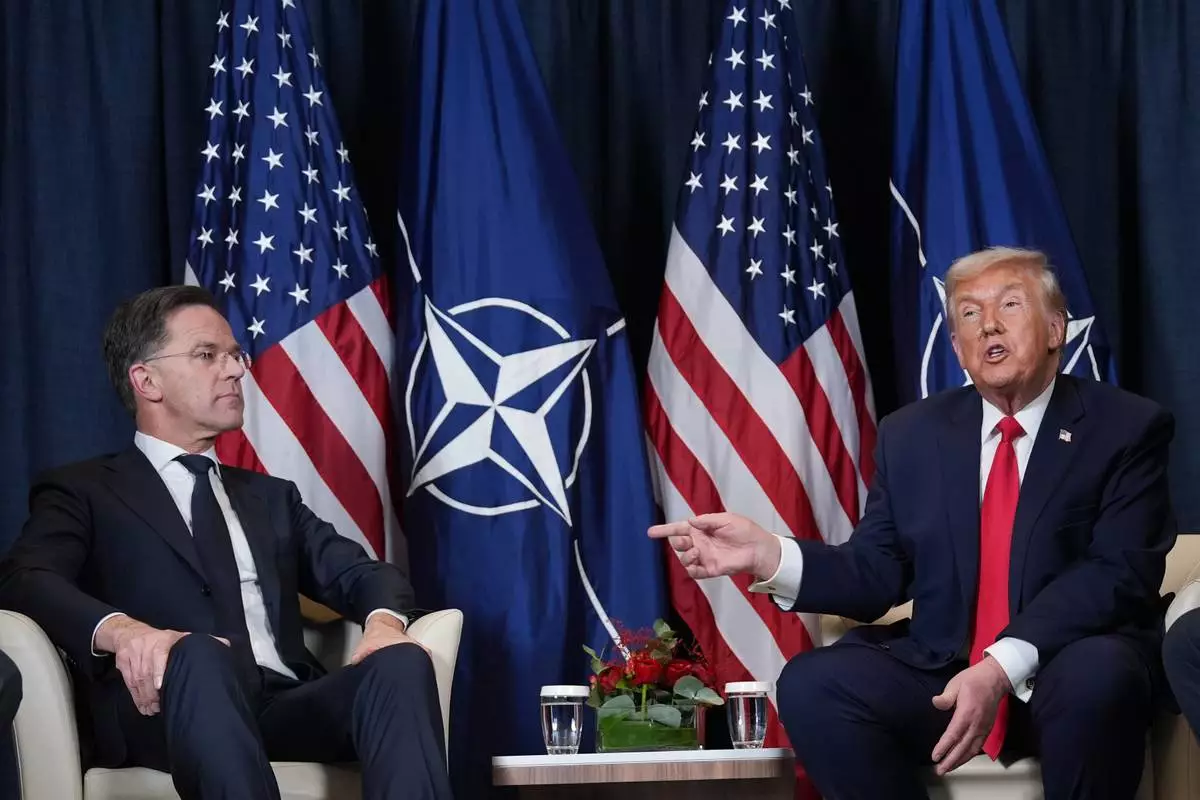
Global leaders arriving in Davos for the World Economic Forum found the agenda dominated by mounting friction over President Donald Trump’s approach to trade and security — particularly his push tied to Greenland and new tariff threats that European leaders say could fracture alliances and fuel retaliation. The discussions unfolded against a backdrop of growing mistrust between Washington and key partners, with officials warning that a cycle of countermeasures could deepen economic uncertainty.
European voices used panels and side meetings to urge unity, stressing that tariffs and territorial pressure tactics risk undermining cooperation at a time when conflicts and humanitarian crises already strain diplomacy. The debate has also blended into conversations about industrial policy and technology, as executives and officials weigh how fast-changing supply chains and AI competition intersect with export controls, national security and market stability.
Trump’s diplomacy at the forum, including high-profile messaging around a proposed “Board of Peace” meant to address conflicts such as Gaza, drew mixed reactions. Some participants framed the initiative as a way to accelerate negotiations, while others questioned the substance and said immediate priorities include humanitarian relief, stability mechanisms and preventing the forum from becoming another venue for theatrical escalation.
At the same time, economic anxiety hovered over the conference. Executives highlighted how tariff threats can rapidly chill investment plans, complicate pricing strategies and reorder corporate forecasts. Policymakers, for their part, are balancing domestic political demands with the risks of igniting a broader trade confrontation that could raise consumer costs and slow growth across multiple regions.
For many delegations, the Davos message was less about one discrete policy announcement than about the direction of travel: whether U.S.-Europe ties will stabilize through negotiation or slide toward sharper confrontation. With trade policy, security commitments and the Greenland dispute all intertwined, leaders left meetings signaling that the coming weeks will test whether private diplomacy can prevent public threats from hardening into a lasting economic rift.