25/01/2026
Trump’s Greenland push fractures alliances, as Europe’s far right balks at U.S. pressure
A dispute over Greenland is straining U.S. relations abroad—and even some of Donald Trump’s ideological allies in Europe—highlighting the limits of nationalist solidarity when sovereignty is on the line.
- Published
- Revised
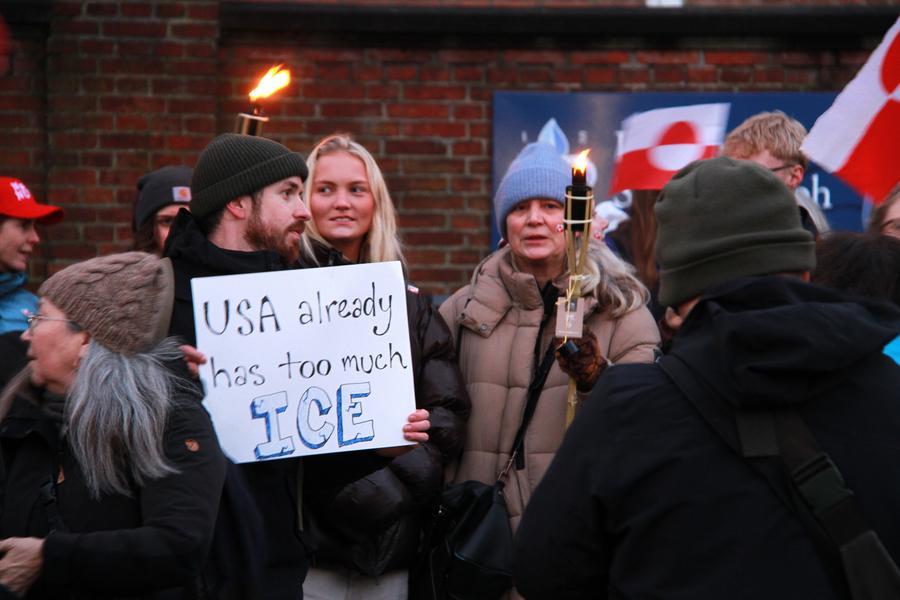
Why Greenland is triggering an international dispute
A fast-moving international row over Greenland has turned into a major test of transatlantic politics. The controversy centers on U.S. pressure related to Greenland—an autonomous territory within the Kingdom of Denmark—and the reaction it has provoked from European governments and political movements that have often aligned with Trump-era rhetoric.
In Europe, leaders and officials have pushed back sharply against what they describe as U.S. overreach. At the same time, the debate has revealed divisions within Europe’s nationalist right: parties that once framed Trump’s movement as a partner are now signaling discomfort when U.S. power appears directed at European territory and sovereignty.
A rift with Europe’s far right
The dynamic is notable because Trump-friendly parties and figures across Europe have frequently shared themes with MAGA politics—border control, national identity, and skepticism of global institutions. But in this case, that affinity is colliding with a core principle of many European nationalist movements: protecting national sovereignty and opposing foreign intervention.
Some far-right leaders who previously praised Trump have criticized the Greenland initiative as imperialist or destabilizing. Others have responded more cautiously, urging negotiation while avoiding a direct confrontation with Washington. The split underscores how quickly ideological coalitions can fracture when material interests, borders, and security guarantees are implicated.
What happens next
The larger consequence may be the message sent to allies about U.S. reliability and restraint. Even if the dispute de-escalates, the episode is likely to linger in Europe’s domestic politics and in broader NATO and trade talks, because it forces parties and governments to clarify where they stand when U.S. pressure targets European strategic territory.
For Greenland and Denmark, the immediate priority is preserving autonomy and security while managing a diplomatic crisis that has become entangled with ideology, elections, and global power politics.