25/01/2026
U.S. envoys press Israel to move into the second phase of the Gaza ceasefire, with Rafah crossing in focus
Senior U.S. envoys urged Israel’s prime minister to advance the next phase of the Gaza ceasefire, while discussions intensify on reopening Rafah and arranging monitoring and withdrawals.
- Published
- Revised
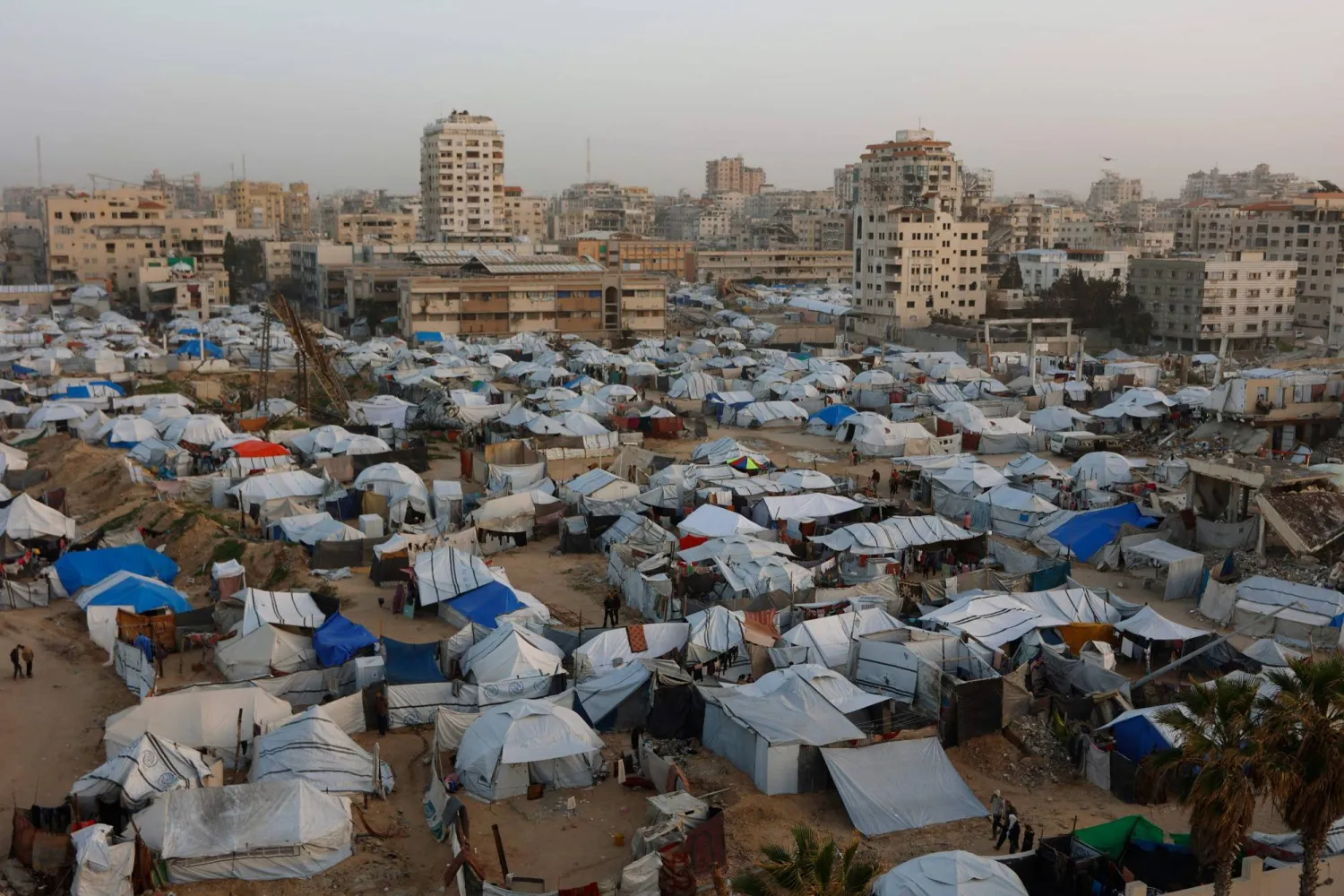
Senior U.S. envoys met with Israeli Prime Minister Benjamin Netanyahu as Washington pressed for momentum into the second phase of the Gaza ceasefire, amid continuing uncertainty over border access, hostages, and the shape of Gaza’s postwar governance.
According to the report, U.S. representatives including Steve Witkoff and Jared Kushner urged Israel to take steps that would demonstrate commitment to the next stage of the deal. The push comes as mediators tie the transition to unresolved hostage-related issues, including the status of the remains of Israeli hostage Ran Gvili, which were described as still being held by Hamas.
A central point of contention is the Rafah border crossing between Gaza and Egypt. Egyptian and other international officials have argued that reopening Rafah is a key milestone for the second phase—one that could relieve humanitarian pressure, enable more predictable aid flows, and create conditions for more durable security arrangements.
Diplomatic discussions referenced in the coverage included the idea of an international monitoring presence, alongside questions about any Israeli troop withdrawals and how security responsibilities would be managed. Such arrangements are politically sensitive: Israel has stressed security control, while regional actors have expressed concern about taking on policing functions without clear mandates and protections.
The report also described ongoing violence even during the ceasefire period, including an Israeli strike that killed two Palestinian teenagers said to have been collecting firewood near a designated safe zone. Disputes over the identities and circumstances underscore the fragility of the ceasefire and the high risk that localized incidents could derail broader diplomatic progress.
For civilians in Gaza, the practical outcomes of diplomacy are immediate: whether crossings open, whether food and medicine deliveries stabilize, and whether families can move without fear of sudden attacks. For the region, the stakes include whether the ceasefire evolves into a structured political process—or collapses into renewed large-scale fighting.
The next steps were expected to be debated inside Israel’s government, with the report noting that Israel planned to review the Rafah issue in a cabinet meeting. Meanwhile, mediators continue parallel efforts to keep the ceasefire from unraveling as the parties test what the second phase would require, and what each side is willing to concede.