25/01/2026
U.S. officials urge Netanyahu to move Gaza ceasefire into second phase as Rafah crossing debate intensifies
Senior U.S. envoys pressed Israel’s prime minister to advance a second phase of the Gaza ceasefire, with attention focused on reopening the Rafah border crossing and steps tied to demilitarizing the territory.
- Published
- Revised
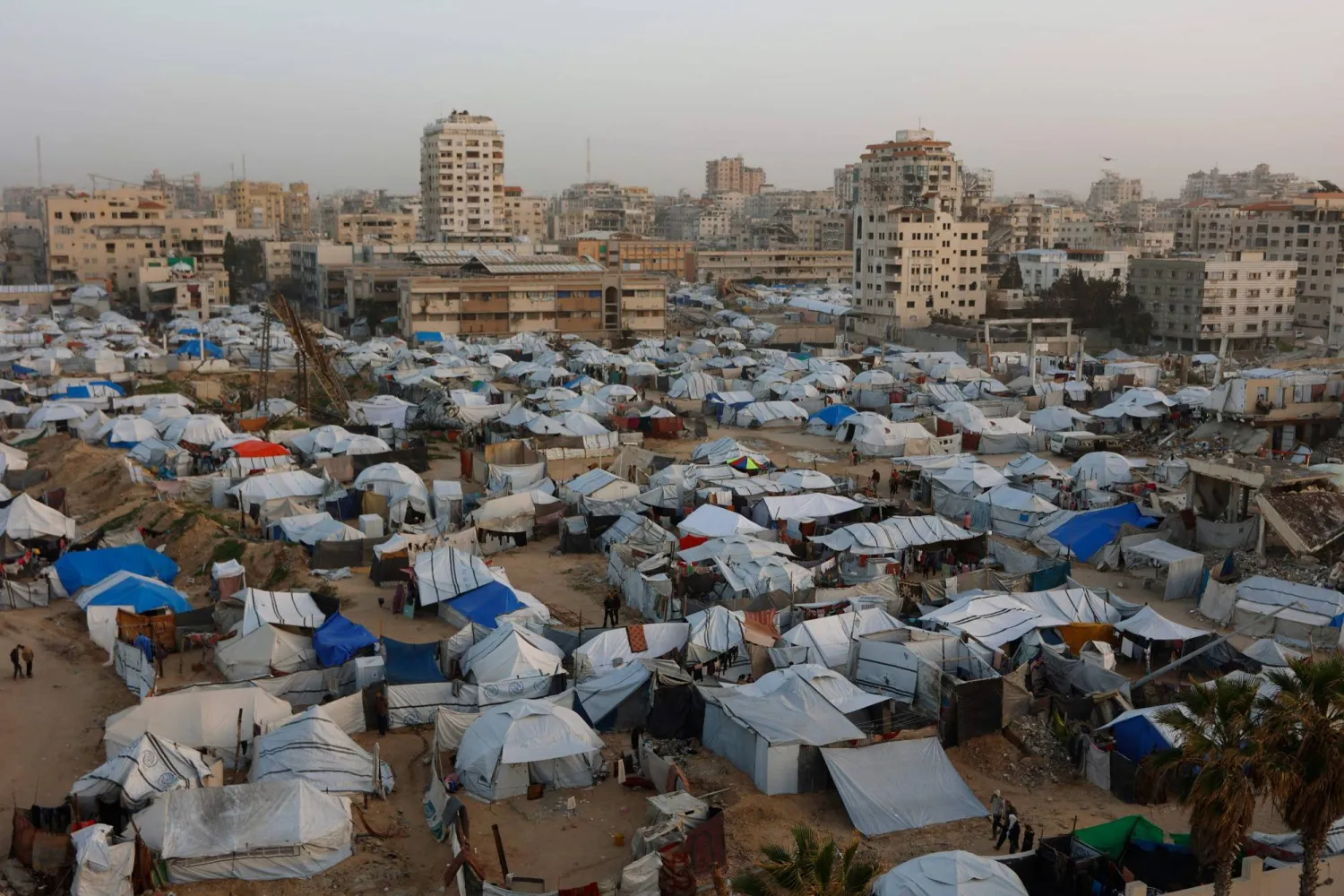
U.S. push for the next phase
Senior U.S. officials met with Israeli Prime Minister Benjamin Netanyahu urging movement into the second phase of the Gaza ceasefire framework. According to reporting, the discussions centered on practical next steps, including efforts linked to the return of the remains of the last Israeli hostage believed to be in Gaza, and what U.S. officials described as work on demilitarizing the territory.
The ceasefire plan’s transition to a new phase is politically sensitive on all sides, and the conversations underscore Washington’s attempt to turn a fragile pause into a broader set of commitments. The U.S. emphasis is on creating visible markers of progress that can reassure both Israeli and regional audiences that the process is moving beyond the initial truce arrangements.
Rafah crossing becomes a central test
One of the most consequential signals of a new phase would be reopening the Rafah border crossing between Gaza and Egypt. Egyptian and international officials have discussed mechanisms for reopening, including the possible deployment of an international monitoring force and terms surrounding Israeli troop withdrawal from parts of Gaza. A Gaza official tied to a future technocratic administration said the crossing would open in both directions during the coming week, though Israel had not confirmed the timing and said it would consider the matter.
The Rafah crossing is more than a transportation point: it shapes humanitarian logistics, access for medical cases, and the broader political question of who controls Gaza’s borders. Any reopening plan is likely to come with intensive negotiations over security screening, monitoring responsibilities, and the pace of troop movements.
Fighting, casualties and disputes continue
Even with the ceasefire framework in place, violence and contested incidents have continued. Reporting described an Israeli strike that killed two Palestinian teens near a designated safe zone, followed by dispute over the circumstances. Gaza’s Health Ministry said hundreds of Palestinians have been killed by Israeli fire since the ceasefire began, figures Israel disputes while not publishing an alternative public tally.
Diplomats involved in the process face competing pressures: accelerating tangible steps like border operations and monitoring arrangements, while attempting to prevent new incidents from derailing negotiations. The coming days are expected to be a key window for decisions on Rafah and the structure of any international role.