25/01/2026
UN rights council condemns Iran crackdown as international pressure grows
The UN Human Rights Council has adopted a resolution condemning Iran’s violent suppression of protests, highlighting widening divisions among member states and intensifying scrutiny of Tehran’s internal security response.
- Published
- Revised
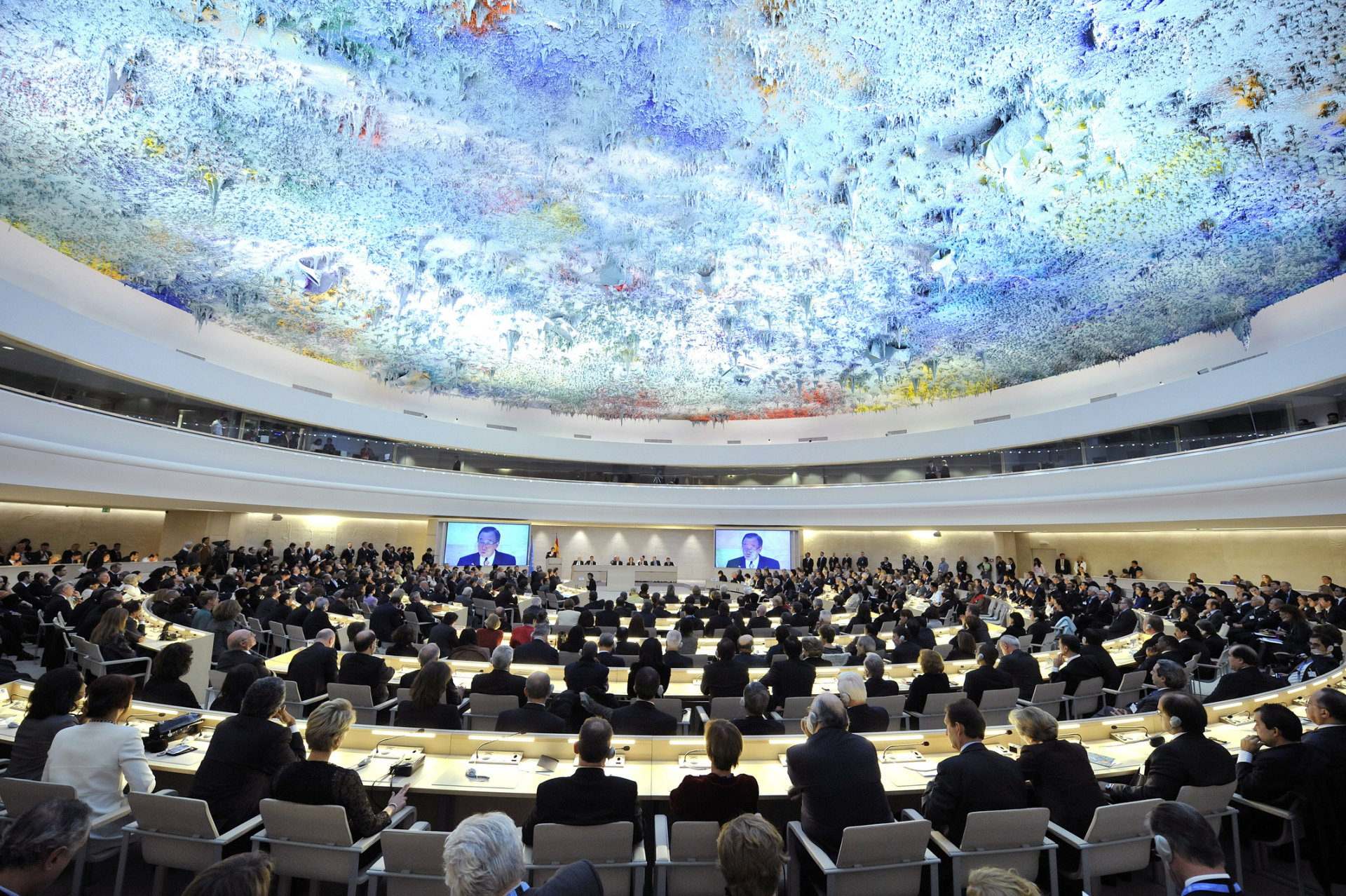
International pressure on Iran sharpened in late January 2026 after the UN Human Rights Council (UNHRC) adopted a resolution condemning the violent suppression of nationwide protests. The vote, held on January 23, 2026, underscored how the crisis has become not only a domestic contest inside Iran but also a widening diplomatic fault line among global powers and regional blocs.
The UNHRC decision called attention to allegations of excessive force, restrictions on communications, and the broader human-rights impact of Tehran’s security response. Countries lined up on different sides of the measure, with a group of states voting in favor and others voting against or abstaining—an outcome that highlighted competing geopolitical priorities and differing views on how far international bodies should go in policing internal governance.
Human-rights advocates argue that the resolution is meant to preserve international focus and create a pathway for additional documentation of abuses. Diplomats sympathetic to the measure say sustained scrutiny matters because crackdowns can accelerate when the world looks away. Critics of such resolutions, however, often contend they can harden positions, fuel accusations of external interference, or be selectively applied depending on the target country.
The January 23 vote followed days of heightened attention to Iran’s internal conditions, including concerns about deaths, detentions, and the ability of families and lawyers to obtain reliable information. Reports in recent weeks have described an environment where information can be fragmented, and where the pace of events on the ground can outstrip the ability of outside actors to verify claims in real time.
For Iran, the UNHRC action creates additional diplomatic headwinds, especially as it navigates economic pressures and regional security tensions. For UN members, the vote is also a test of credibility: whether a resolution leads to sustained follow-through, further investigative mechanisms, or practical consequences beyond statements and symbolic condemnation.
As the protest movement continues into 2026, the international community is likely to face recurring decisions about escalation, mediation, and accountability tools. The UNHRC resolution does not end the crisis, but it does formalize a global record of concern and increases the reputational cost of continuing a violent crackdown.