26/01/2026
Zelenskyy says U.S.-Ukraine security agreement is ready as talks continue amid winter attacks
Ukraine’s president said a U.S.-Ukraine security agreement is “100% ready” and awaiting confirmation for signing, as Kyiv seeks air defenses during a cold snap and Russia-Ukraine strikes continue.
- Published
- Revised
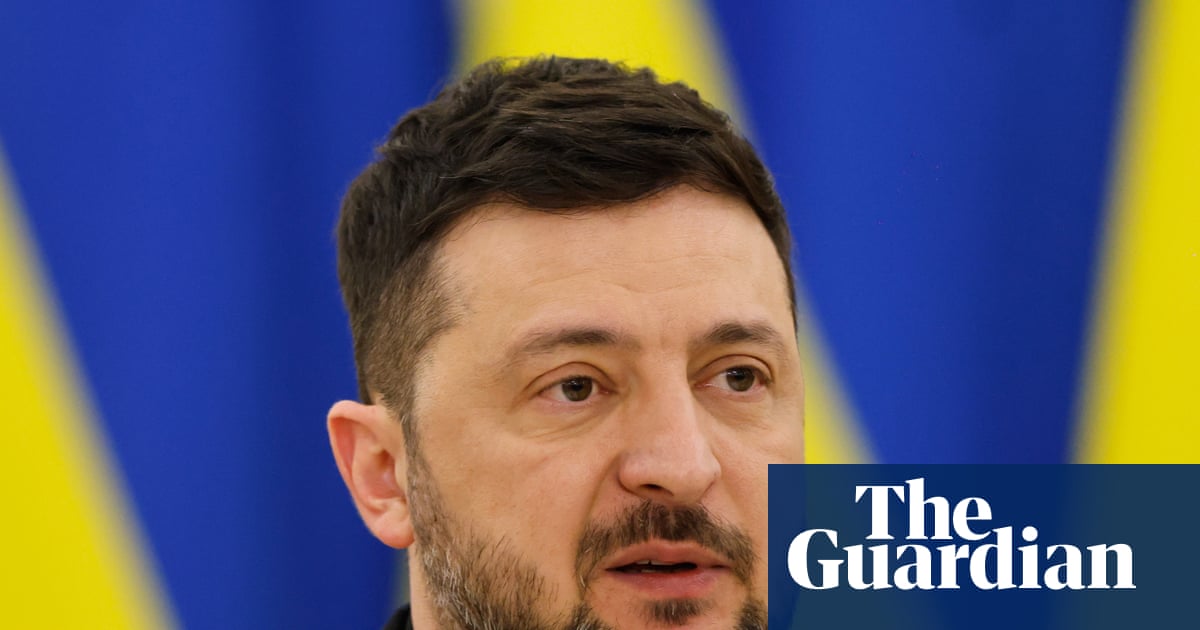
Deal described as ready, but signature still pending
Ukrainian President Volodymyr Zelenskyy said on Monday, January 26, 2026, that a security agreement with the United States is “100% ready” and now depends on confirmation from partners before it can be signed. He indicated the next steps would include ratification in both countries’ legislatures, underscoring that even a completed text can face political and procedural hurdles before taking effect.
The announcement comes as diplomacy continues in parallel with ongoing combat. Zelenskyy’s comments followed two days of trilateral talks involving Ukraine, the U.S. and Russia, with additional discussions expected. While the details of the agreement were not fully disclosed in the report, Zelenskyy framed it as part of a broader push to lock in long-term support and improve Ukraine’s security position.
Cold-weather strain and air defense needs
Ukraine is also contending with severe winter conditions that compound wartime damage. Zelenskyy said large numbers of apartment buildings remained without heating during a cold spell, and Kyiv continues to press partners for more air defense systems to protect infrastructure and civilians from ongoing Russian strikes.
Regional leaders echoed warnings about Russia’s long-term intentions. At a commemoration event in Vilnius, Poland’s president cautioned against Russian imperialism, tying present-day security concerns to historical precedent and urging European vigilance.
Energy security and continued strikes
The war’s ripple effects are also shaping European energy planning. The report notes European countries preparing to sign the Hamburg Declaration, described as a clean-energy agreement focused on expanding offshore wind projects in the North Sea as part of bolstering energy security.
Meanwhile, fighting continues on both sides of the border. Drone activity was reported in Russia’s Krasnodar region, where debris triggered fires at industrial sites and at least one person was injured, while Russia said it intercepted dozens of Ukrainian drones overnight. The latest developments show how diplomacy, infrastructure resilience and battlefield realities remain tightly linked as the conflict grinds on.