27/01/2026
Trump’s Greenland push strains Europe and threatens support for Gaza ceasefire plan, AP reports
AP reports President Trump’s push to acquire Greenland and his tariff threats have widened rifts with European allies and could undermine international backing for a U.N.-backed “Board of Peace” concept tied to a Gaza ceasefire framework.
- Published
- Revised
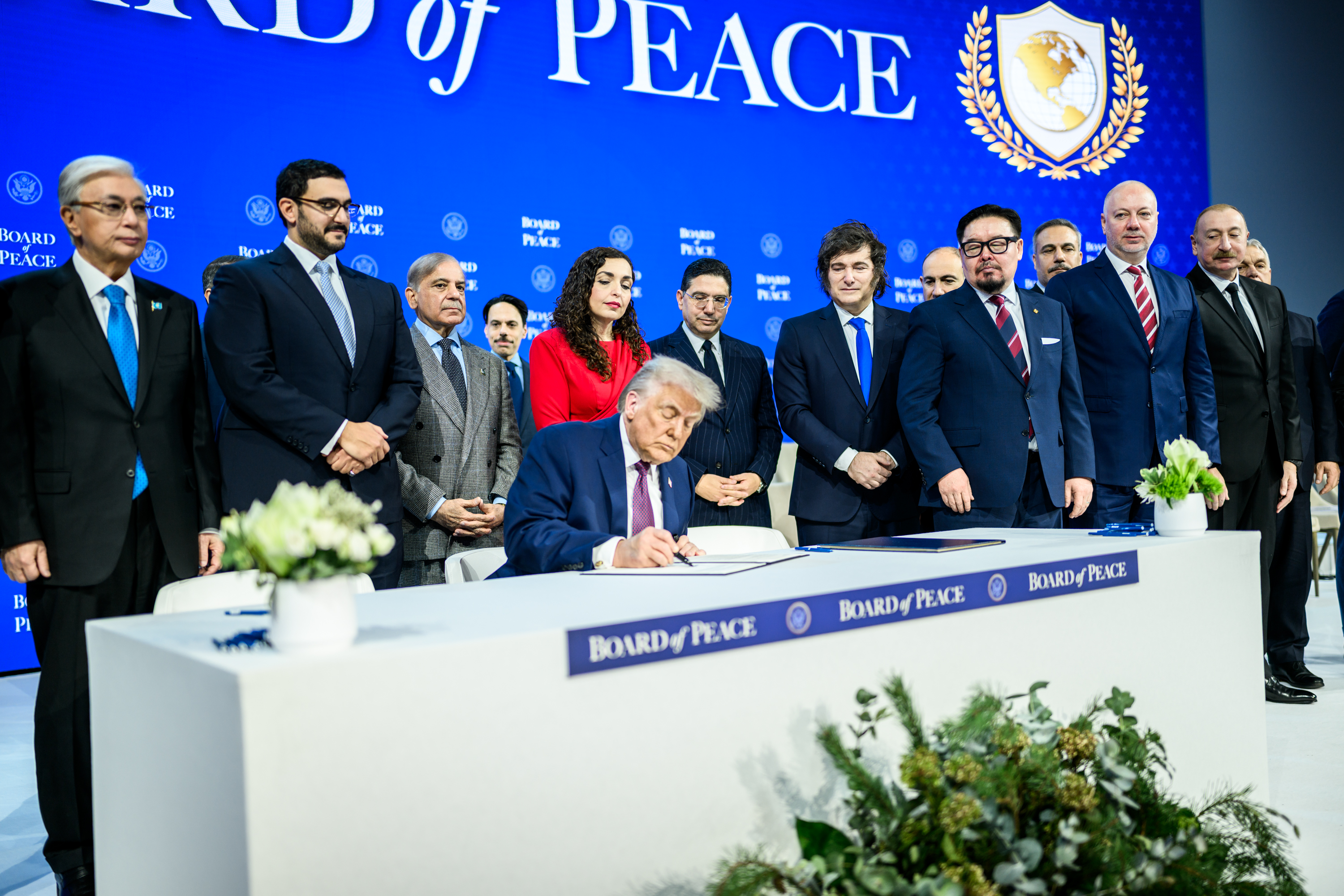
President Donald Trump’s effort to drive a Gaza ceasefire plan forward is facing new headwinds as European leaders grow more skeptical of U.S. intentions amid Trump’s escalating confrontation with allies over Greenland and tariffs, according to an Associated Press report. The plan’s centerpiece is a U.N. Security Council-backed “Board of Peace” concept that the administration has portrayed as a mechanism to oversee Gaza’s future and keep ceasefire arrangements on track.
But the AP report describes how Trump’s posture toward Denmark and other European partners—combined with public threats and sharp rhetoric—has chipped away at the diplomatic trust needed to assemble a broad coalition. European governments have signaled that even if they want progress toward stability in Gaza, they are wary of becoming tied to a U.S.-led structure that could be used to bypass or rival traditional multilateral institutions.
The article notes that invitations to participate in the Board of Peace were issued widely, yet acceptance has been limited. That matters because legitimacy in a postwar or post-ceasefire arrangement depends on sustained contributions: funding, peacekeeping or monitoring capacity, humanitarian coordination, and political backing that can pressure spoilers. Without robust European involvement, the initiative risks appearing narrow, opportunistic, or overly personalized to the White House’s dealmaking style.
European hesitation has also been fueled by concerns about who might be included in a new governance or oversight structure. AP reported that the Board of Peace idea has floated the possibility of involving controversial global actors, raising questions about whether participation could normalize leaders Europe views as destabilizing. Even for governments eager to reduce violence and enable aid delivery, association with such a lineup could be politically costly at home.
For Trump, the diplomatic balancing act is acute. He has sought to project strength and leverage in transatlantic disputes, but Gaza diplomacy—especially any plan that needs sustained international resources—depends on confidence and coordination with European capitals. The AP report frames the moment as a test of whether the administration can align its multiple foreign-policy priorities without causing partners to disengage.
If European governments continue to hold back, the Board of Peace could struggle to move from concept to workable implementation. That, in turn, could slow or complicate next steps toward ceasefire durability, reconstruction planning, and enforcement mechanisms—areas where U.S. influence alone is unlikely to be enough over time.