25/01/2026
NBA postpones Timberwolves-Warriors game after Minneapolis shooting, protests and security response
The NBA postponed a game in Minneapolis following the fatal shooting of a protester by a Border Patrol officer, amid large demonstrations and mounting scrutiny of federal operations in the Twin Cities.
- Published
- Revised
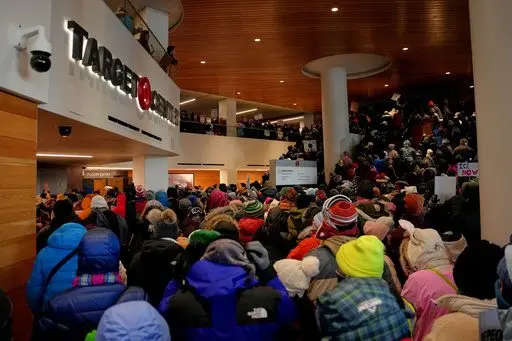
A lethal confrontation involving a federal officer in Minneapolis spilled into the political arena this weekend, as protests intensified and authorities expanded security measures across the city. The episode drew swift national attention not only because of the fatality, but because it occurred amid a broader standoff over federal immigration operations and the visibility of armed agents in metropolitan neighborhoods.
The immediate consequences were felt across civic life. The NBA postponed Saturday’s Minnesota Timberwolves–Golden State Warriors game, citing safety concerns in the community and the broader situation downtown. The postponement became another signal of how rapidly the incident reshaped the city’s risk calculus, with large crowds, transport routes and venue operations suddenly forced to adapt to shifting conditions.
According to reporting, the person who was killed was Alex Pretti, 37, and the officer involved was a Border Patrol agent. That detail matters politically: it places the incident within the sprawling DHS enforcement apparatus and raises questions about mission scope, operational rules and the circumstances under which federal personnel are interacting with demonstrators in public spaces.
Protests grew following the shooting, and officials moved to prevent further escalation. State resources, including a security presence intended to help manage crowds, were deployed as demonstrations spread and as local and state leaders pressed for accountability. Political leaders have disputed not only the facts of what happened but also the broader policy backdrop—whether the federal posture in the Twin Cities is proportionate, legal, and effective.
The resulting debate has become a proxy fight over federal power and local autonomy: the administration and its allies stressing enforcement and officer safety, while opponents argue that high-visibility operations increase the likelihood of confrontation and erode public trust. With investigations ongoing, the incident is likely to remain a focal point in Washington as lawmakers weigh oversight, funding, and the boundaries of federal policing.
Even as the city looks toward rescheduled games and a return to routine, the political consequences are poised to last longer. The shooting has become intertwined with questions about agency accountability, transparency in use-of-force cases, and the role of federal enforcement in public-order situations that begin as protest and can quickly evolve into sustained unrest.