25/01/2026
Outrage grows after fatal shooting involving federal agents sparks fresh protests and funding threats
A fatal shooting by federal agents has intensified protests and renewed scrutiny of ICE, prompting public officials and lawmakers to demand accountability and raising the prospect of political fights over Department of Homeland Security funding.
- Published
- Revised
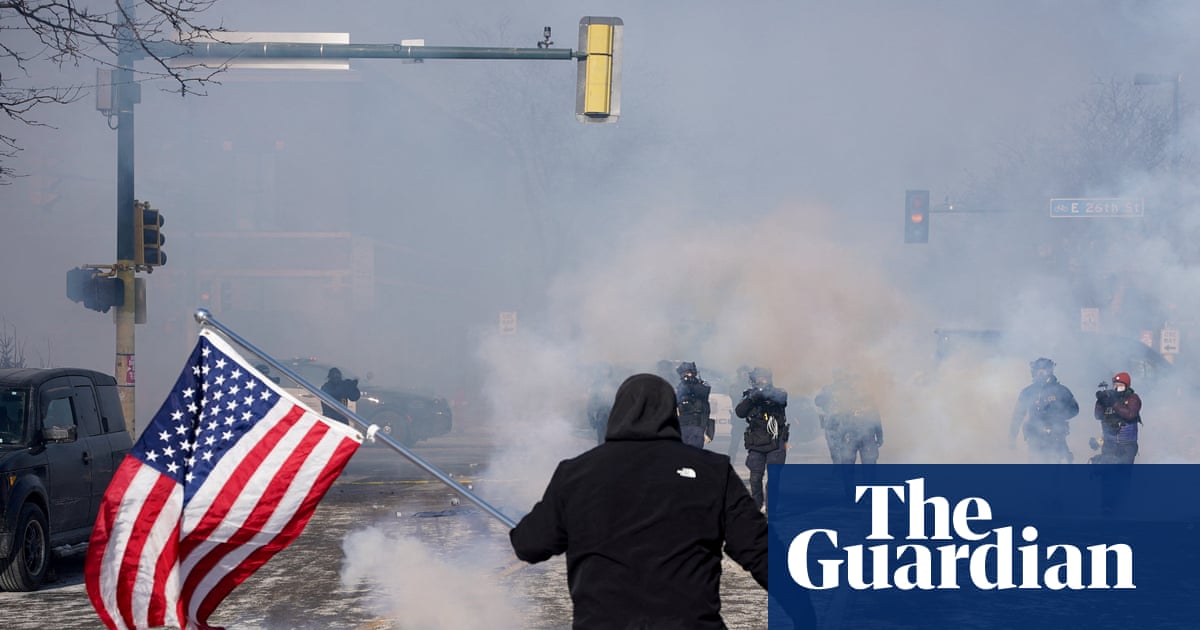
Anger and protests intensified after a fatal shooting involving federal agents, fueling renewed criticism of immigration enforcement tactics and raising fresh questions about how federal operations are conducted in American cities. Demonstrators and local leaders called for accountability, and the incident quickly became a national political flashpoint rather than a localized tragedy.
The case has amplified a broader debate about the scope and oversight of Immigration and Customs Enforcement (ICE), and it has accelerated organizing across multiple regions. Critics argue that enforcement actions have become more aggressive and less transparent, while supporters of the administration say agents are operating in dangerous situations and must be able to do their jobs without intimidation.
The shooting has also triggered a high-stakes Washington response. Senate Democrats signaled they could use funding leverage to pressure the Department of Homeland Security, a move that could set up a new confrontation over appropriations and oversight. When enforcement controversies collide with budget deadlines, disputes that begin as street-level incidents can rapidly become national bargaining chips.
Local officials in the affected areas have condemned the death and urged calm while supporting peaceful protest. At the same time, they have demanded clearer standards for federal operations and more immediate public disclosure of key facts, including what led to the confrontation and how agents assessed the threat. Community advocates argue that body camera footage and independent review are essential to restoring trust.
The administration has faced sustained pressure to explain the incident in detail. As protests continue and political leaders trade accusations, the next steps are likely to hinge on investigations, the release of video evidence, and whether federal agencies adopt any changes in policy, training, or rules of engagement. The outcome could shape not only public confidence in federal law enforcement, but also the legislative agenda around immigration enforcement in 2026.