26/01/2026
Backlash grows after Attorney General Pam Bondi seeks Minnesota voter-roll access amid immigration enforcement surge
U.S. Attorney General Pam Bondi’s request for access to Minnesota voter rolls and public-assistance data has sparked criticism from election and voting-rights experts, who argue the demand is unrelated to immigration enforcement and risks coercion and voter intimidation.
- Published
- Revised
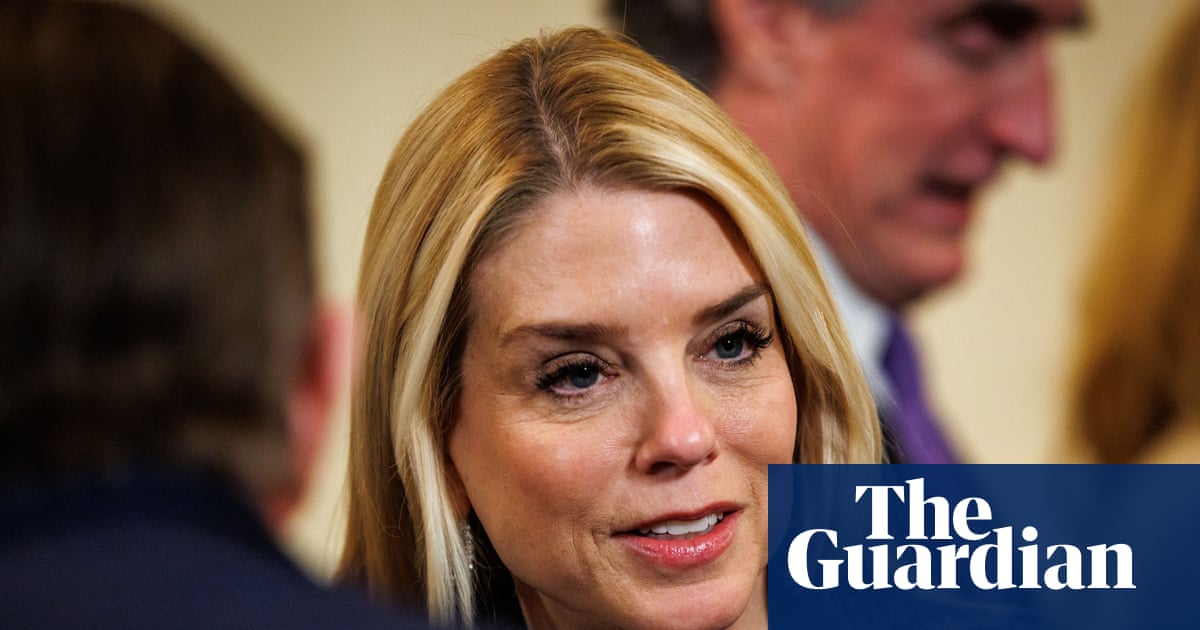
A new political controversy is unfolding in Minnesota after U.S. Attorney General Pam Bondi sought access to the state’s voter rolls as federal immigration enforcement in the state intensifies. Critics say the request is unusual because it sits outside the core scope of immigration operations, and they argue it could be used to pressure state officials or to obtain sensitive information without a clear legal basis. The demand has drawn alarm from voting-rights advocates and legal observers who warn that voter data disputes can become a proxy battle over election administration and federal-state power.
The pushback has been particularly sharp because, according to critics cited in reporting, the federal government has not provided evidence of widespread non-citizen voter fraud in Minnesota. In the context of heightened political tensions, opponents argue that linking requests for voter-roll access to the federal immigration presence resembles a coercive tactic rather than a routine compliance inquiry. Minnesota officials and allied advocates have framed the demand as an attempt to extract unrelated concessions while the state faces public unrest and legal questions around federal actions.
Beyond voter rolls, the request has also raised concerns about how public-assistance records might be used, including whether requesting welfare-program data could chill participation or create fear among immigrant communities and mixed-status families. Advocates say these dynamics can undermine public health and economic stability if residents avoid programs they are eligible for, particularly during winter conditions when access to food assistance and medical services can be critical.
The dispute comes as Minnesota has been the center of national attention related to immigration enforcement actions and protests. The combination of street-level tensions and legal wrangling has elevated the stakes, with observers warning that escalating federal demands could further inflame conflict and erode trust between state institutions and federal agencies. At minimum, the episode is likely to intensify scrutiny of how the Justice Department uses its authority in election-related matters, and whether federal requests for state-managed voter information are narrowly tailored and justified.
Election administrators generally guard voter-roll data carefully: while some voter information is public under state law, the rules for access, duplication and use vary, and states often impose limits to protect privacy and prevent misuse. As this dispute continues, legal experts anticipate questions about the precise statutory authority being invoked and how courts will interpret the relationship between federal oversight claims and state control over election administration.
Key issues at the center of the dispute
- Whether the federal request is connected to a legitimate, evidence-based enforcement or compliance purpose.
- How voter-roll access would be structured, including privacy safeguards and limits on downstream use.
- Whether requesting public-assistance data could discourage eligible residents from seeking benefits.
- How courts may view federal leverage over states during politically charged enforcement actions.