26/01/2026
Trump tells Walz he will review Minnesota ICE surge after a fatal shooting fuels backlash
President Donald Trump told Minnesota Gov. Tim Walz he would “look into” reducing the number of federal immigration agents deployed in the state, amid protests and legal challenges tied to Operation Metro Surge and the killing of a Minneapolis nurse, Alex Pretti. The episode has triggered bipartisan calls for investigations and sharpened debate over federal authority, local policing, and immigration enforcement tactics.
- Published
- Revised
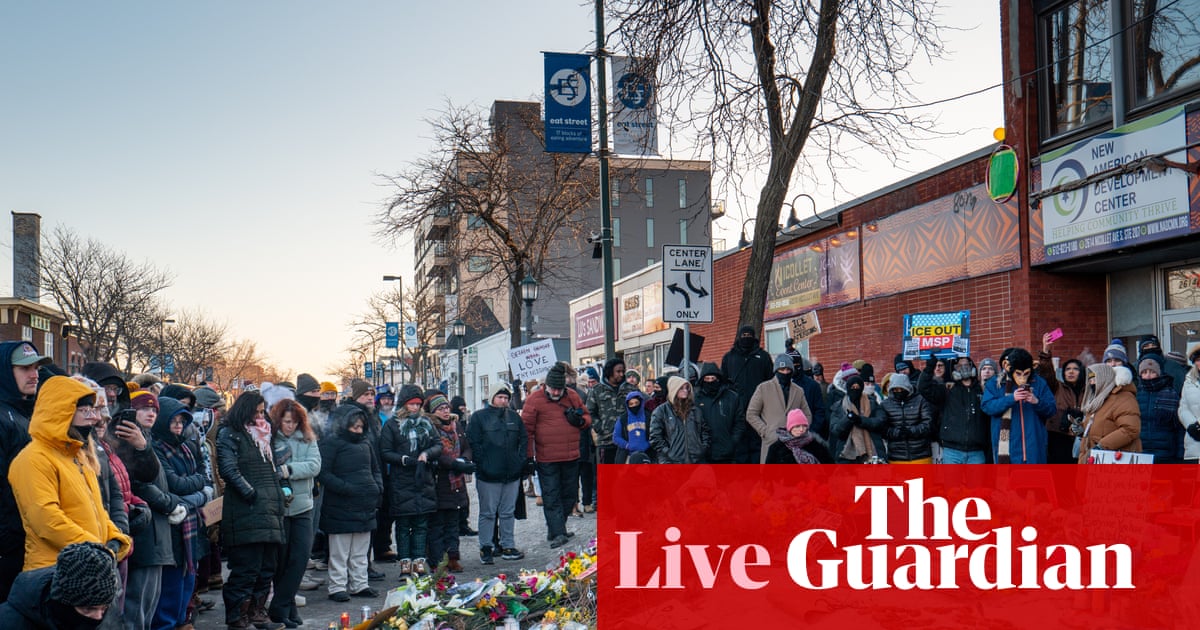
A phone call as legal fights and protests intensify
Minnesota Gov. Tim Walz’s office said President Donald Trump agreed to “look into” reducing the number of federal immigration agents deployed in the state and to pursue a more coordinated approach focused on violent criminals. The conversation came as Operation Metro Surge faced widening public backlash and as federal judges considered cases related to the legality of federal agents’ activities in and around Minneapolis.
The immediate spark for the political confrontation was the fatal shooting of Alex Pretti, described as a Minneapolis nurse, during an encounter involving federal immigration agents. State and local officials have argued that the scale and conduct of the operation has disrupted communities, raised civil-liberties concerns, and complicated local investigations into the killing.
Bipartisan unease and competing narratives
While the issue has largely split along partisan lines, the fallout has also produced signs of Republican discomfort, with some lawmakers urging inquiries into the circumstances of the shooting and the conduct of the operation. At the same time, the White House and administration allies have portrayed aggressive immigration enforcement as a public-safety necessity and have criticized local resistance as obstruction.
Walz’s office said the president agreed to speak with the Department of Homeland Security about ensuring Minnesota authorities can properly investigate the shooting. That point has become central because, in politically charged incidents, the integrity of evidence preservation and investigative access often determines whether the public perceives accountability as credible.
A national budget fight in the background
The Minnesota clash is unfolding alongside national disputes over federal funding and the Department of Homeland Security. Senate Democrats have discussed separating DHS funding from broader appropriations packages in an effort to avert a shutdown deadline, highlighting how immigration enforcement and agency budgets are now tightly linked to larger legislative brinkmanship.
The politics are further complicated by the scale of deployment cited in reports and by competing claims about whether federal agents were acting lawfully and proportionately. The operation’s defenders argue it is required to enforce immigration law and deter crime. Critics argue that broad sweeps and high-visibility tactics can produce fear, increase the risk of violence, and damage trust between residents and law enforcement.
Trump’s promise to “look into” reducing the deployment does not, by itself, resolve those disputes. But it indicates the White House recognizes that the combination of a high-profile death, court scrutiny, and sustained protests could impose political costs. The next developments will likely turn on court rulings, investigative findings, and whether federal and state authorities can agree on enforcement boundaries that reduce the risk of further violence.