27/01/2026
Pressure rises on DHS leadership after Minneapolis shooting as Border Patrol commander exits post
U.S. political tensions flared Tuesday amid calls for accountability after the shooting of Alex Pretti in Minneapolis. Reporting said a Border Patrol leader tied to the administration’s enforcement push was removed from a senior role, while lawmakers stepped up demands directed at Homeland Security leadership and broader immigration policy.
- Published
- Revised
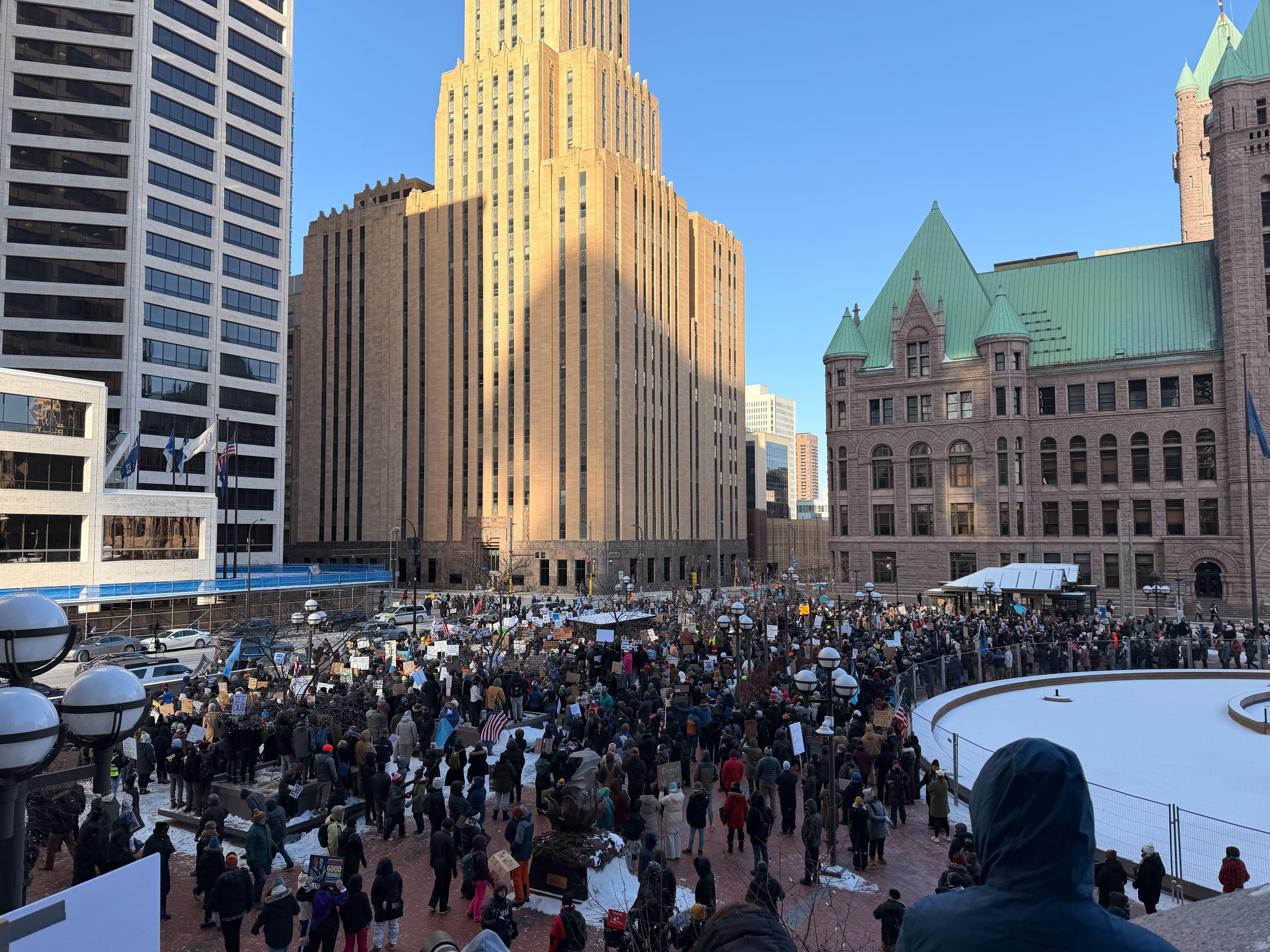
A shooting becomes a national political flashpoint
The killing of Alex Pretti in Minneapolis has become a major national political story, with lawmakers, local officials, and advocates using the incident to question the scope and tactics of federal immigration enforcement operations. The incident intensified scrutiny of leadership at the Department of Homeland Security and the role of Border Patrol and ICE-linked operations far from the U.S. southern border.
As the story developed on Tuesday, January 27, 2026, political attention turned not only to the conduct of the agents involved but also to the chain of command and what accountability mechanisms will be used. In Washington, the dispute has quickly blended oversight questions with an already polarized immigration debate.
Leadership change in Minneapolis and widening calls for action
Reporting indicated that Gregory Bovino, described as a Border Patrol commander associated with aggressive immigration enforcement efforts, was stripped of a prominent Minneapolis-linked role and was expected to depart the position. The personnel move did not end the controversy; instead, it became part of the political argument over whether reshuffling leadership is sufficient without criminal investigations or structural policy changes.
At the same time, Democratic lawmakers escalated their demands aimed at DHS leadership, arguing the Minneapolis shooting represents a broader pattern requiring immediate consequences. Some politicians who have previously taken a more mixed stance on enforcement signaled support for stronger accountability measures, reflecting the depth of outrage and the visibility of the case.
Congress, oversight, and the risk of a broader rupture
The Minneapolis shooting is landing in a Congress already primed for conflict over DHS operations, immigration spending, and the administration’s approach to enforcement. Oversight hearings, internal investigations, and potential legislative responses are now being discussed in tandem with street-level protests and demands from civil rights groups.
Politically, the case illustrates how quickly an on-the-ground law enforcement incident can expand into a nationwide test of federal authority, civil liberties, and public trust. The near-term question is whether the administration treats the leadership change as a contained response or whether it signals deeper policy shifts, especially as calls for firings and other accountability steps grow louder.