25/01/2026
NASA prepares Artemis II for a possible February 2026 launch as crews begin pre-launch quarantine
NASA has placed the Artemis II crew into pre-launch quarantine and continues launch-campaign preparations for the first crewed mission of the Artemis program, a key test of the SLS rocket and Orion spacecraft ahead of future lunar landings.
- Published
- Revised
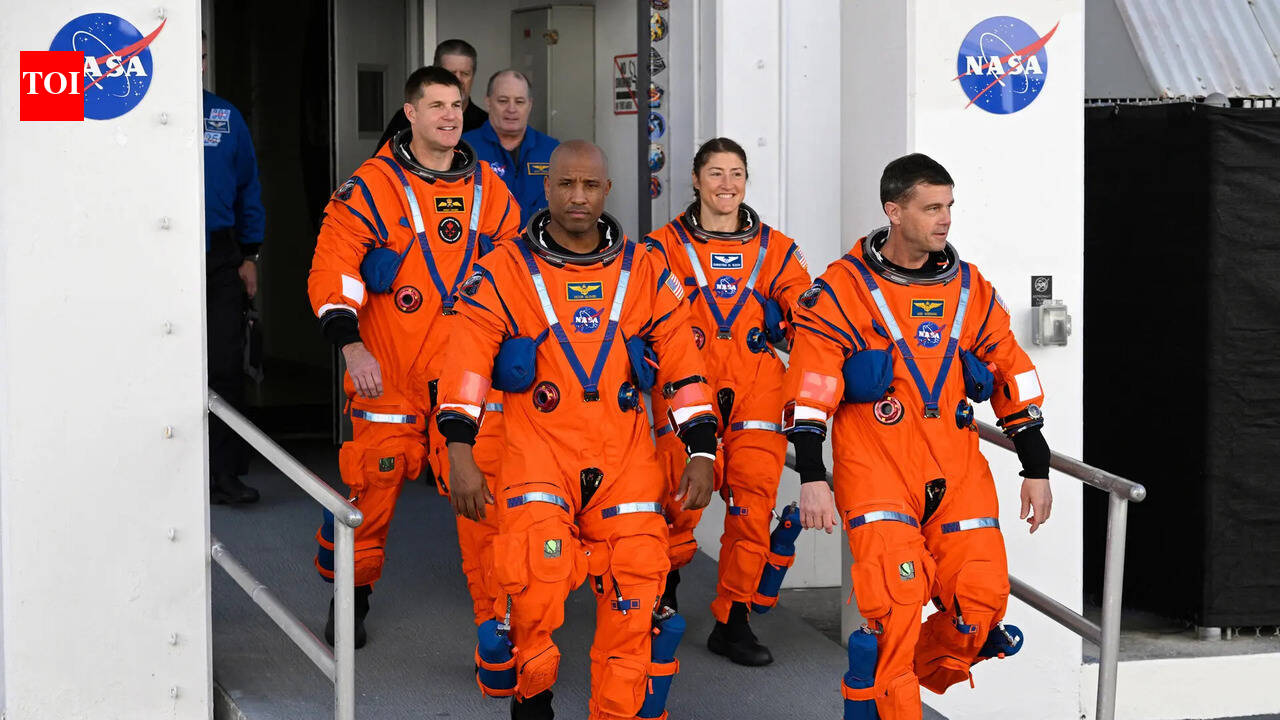
NASA has moved into another visible phase of readiness for Artemis II by placing the mission’s four astronauts into pre-launch quarantine, a standard protective step designed to reduce the risk of illness in the final stretch before flight. The crew—Reid Wiseman, Victor Glover, Christina Koch, and Canadian astronaut Jeremy Hansen—will continue training while operating under health restrictions meant to minimize exposure to infections.
Artemis II is planned as a crewed mission around the Moon, intended to validate the Space Launch System (SLS) rocket and the Orion spacecraft in real flight conditions with astronauts aboard. The mission is widely viewed as a make-or-break test for the program’s near-term credibility, because it checks systems that must work reliably before NASA attempts a later crewed lunar landing.
The quarantine is part of a broader launch campaign that includes continuing tests and rehearsals. Even when launch dates remain subject to change, NASA uses these measures to protect the schedule and reduce the odds that a preventable illness forces late reassignments or delays. The agency has applied similar protocols across human spaceflight programs for decades, especially when the mission involves complex operations and constrained launch windows.
Artemis II also reflects the international character of current exploration plans. With a Canadian astronaut on the crew and future Artemis missions involving multiple partner agencies and commercial providers, NASA is using the mission to refine not only hardware performance but also operational coordination—training flows, recovery planning, communications, and contingency procedures.
The weeks ahead are expected to include continued systems checks and coordination across NASA sites. If Artemis II launches on the planned timeline, it will represent the first crewed journey into lunar vicinity in more than half a century, and it would set the stage for later missions aimed at sustained lunar exploration and, eventually, preparations for Mars.