25/01/2026
NIOSH says it boosted respirator approvals and intensified efforts to remove counterfeit listings in 2025
A CDC/NIOSH January update highlighted increased respirator approvals and expanded enforcement against fraudulent online listings that misuse NIOSH certification marks. The agency said the work is aimed at protecting workers and consumers from counterfeits that can give a false sense of protection.
- Published
- Revised
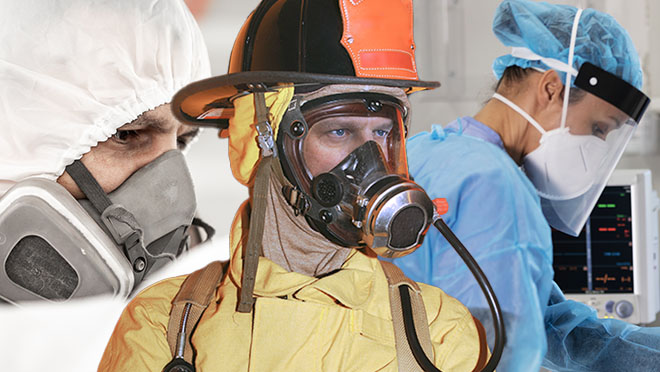
U.S. workplace-safety officials are intensifying efforts to keep counterfeit respiratory protection off the market, as regulators warn that fake or misrepresented products can endanger workers by offering less protection than buyers believe. In a January 2026 update, CDC’s National Institute for Occupational Safety and Health (NIOSH) described changes intended to speed legitimate approvals while also expanding checks designed to detect fraud in online marketplaces.
NIOSH said its Respirator Approval Program continued work to boost efficiency and customer service for current and prospective approval holders, while maintaining performance and quality assurance requirements. The goal, the agency indicated, is to help ensure that respirators used in workplaces meet stringent standards, and that approvals remain meaningful indicators of performance rather than labels that can be easily copied or misused.
Alongside the approvals pipeline, NIOSH emphasized integrity work aimed at preventing misuse of certification marks such as “N95” and “NIOSH Approved.” The agency described a combination of factory audits, quality-system reviews, and off-the-shelf testing intended to confirm that approved products continue to meet requirements after reaching the market. That kind of post-market surveillance matters because supply chains and component sourcing can change over time, even for products that were compliant at launch.
NIOSH also highlighted investigations into potentially fraudulent online listings. The agency said it reviewed thousands of listings that appeared to misrepresent or misuse NIOSH marks, and reported that a portion of those listings were removed after being flagged. Regulators have repeatedly warned that counterfeit listings can spread quickly across high-traffic marketplaces, making it difficult for buyers to distinguish legitimate products from look-alikes without careful verification.
For employers and safety managers, the renewed focus underscores a basic operational challenge: even when a respirator model is approved, procurement teams still need controls to confirm they are receiving authentic products from reliable distributors. Organizations frequently use approved-supplier lists, batch documentation checks and spot audits—especially during surges in demand—because counterfeiters often target periods of tight supply.
The broader technology angle is that enforcement increasingly depends on data-driven monitoring and coordination with platforms. Identifying suspect listings at scale requires pattern detection, rapid triage and follow-up processes to confirm whether marks are being used legitimately. NIOSH’s update suggests that this kind of ongoing, tech-enabled marketplace oversight is becoming a standard part of how safety regulators protect both workers and consumers.