25/01/2026
U.S. loosens advanced AI chip export policy to China, prompting sharp national-security backlash
A new Commerce Department regulation creates a pathway for certain advanced AI chips to be sold to China, drawing criticism that the framework is incoherent: too strict to enable trade at scale, yet too permissive to reduce security risk.
- Published
- Revised
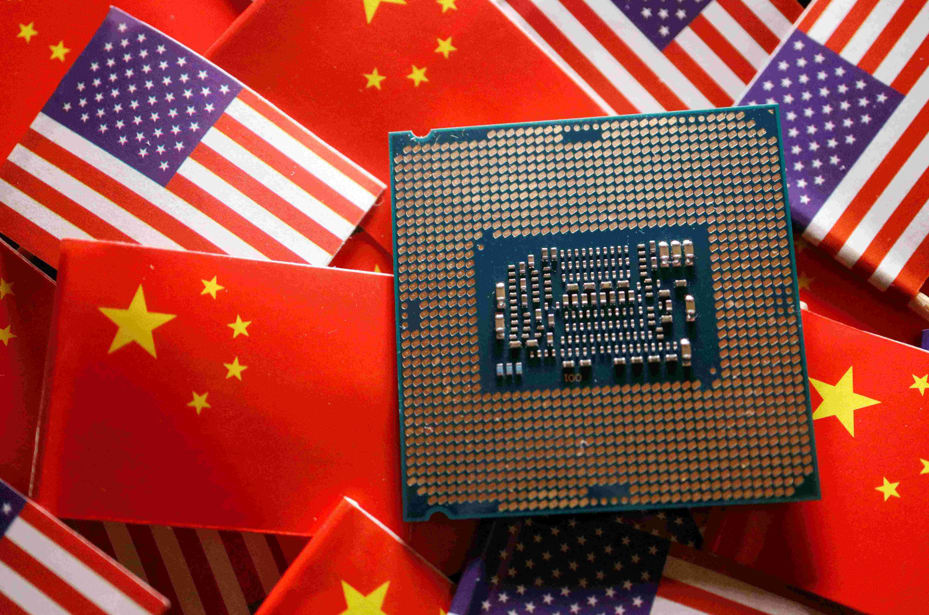
A newly published U.S. regulation has shifted the country’s approach to exporting advanced AI chips to China, formalizing a major policy change that allows a pathway for sales of certain high-end accelerators that had previously been blocked. The move has immediately reignited the debate over whether Washington can preserve an edge in frontier AI while still permitting limited commercial exports under conditions meant to reduce misuse. ([cfr.org](https://www.cfr.org/article/new-ai-chip-export-policy-china-strategically-incoherent-and-unenforceable))
In an analysis of the policy, the Council on Foreign Relations described the framework as strategically incoherent, arguing it acknowledges serious national-security risks while simultaneously enabling a mechanism to approve sales. The critique suggests the rule may either be enforced tightly enough that most exports are rejected—reducing any commercial benefit—or applied loosely in ways that fail to address the core reasons export controls were created. ([cfr.org](https://www.cfr.org/article/new-ai-chip-export-policy-china-strategically-incoherent-and-unenforceable))
Trade and compliance experts have also noted the regulation’s operational complexity. One summary of the rule describes a more flexible, transaction-specific licensing approach for chips comparable to Nvidia’s H200 and AMD’s MI325X, plus expanded application requirements and certifications about customer security procedures, supply sufficiency in the U.S., and third-party testing to verify performance before export. ([mayerbrown.com](https://www.mayerbrown.com/en/insights/publications/2026/01/administration-policies-on-advanced-ai-chips-codified?utm_source=openai))
The policy fight is playing out not just inside the executive branch but also on Capitol Hill. A group of lawmakers publicly challenged the administration’s plan, warning that loosening export controls could hand strategic advantage to a global rival and undermine the U.S. lead in artificial intelligence, especially if advanced chips are diverted to sensitive end users or used to accelerate military-relevant model development. ([amo.house.gov](https://amo.house.gov/press-release/amo-meeks-challenge-trump-secretary-lutnick-plan-to-sell-advanced-ai-chips-to-china?utm_source=openai))
The broader tech stakes are enormous. Advanced accelerators are the scarce resource that largely determines how quickly leading AI labs and state-backed programs can train and deploy large models. As a result, even narrow policy changes can reshape global chip allocation, data-center expansion plans, and corporate strategy—while pushing allies and competitors to pursue domestic substitutes or alternative supply chains. ([cfr.org](https://www.cfr.org/article/new-ai-chip-export-policy-china-strategically-incoherent-and-unenforceable))