25/01/2026
Verizon suffers a nationwide network outage, with many users reporting 'SOS only' service
A widespread Verizon outage disrupted voice, text, and mobile data across the U.S., prompting hundreds of thousands of user reports and renewed questions about network resilience.
- Published
- Revised
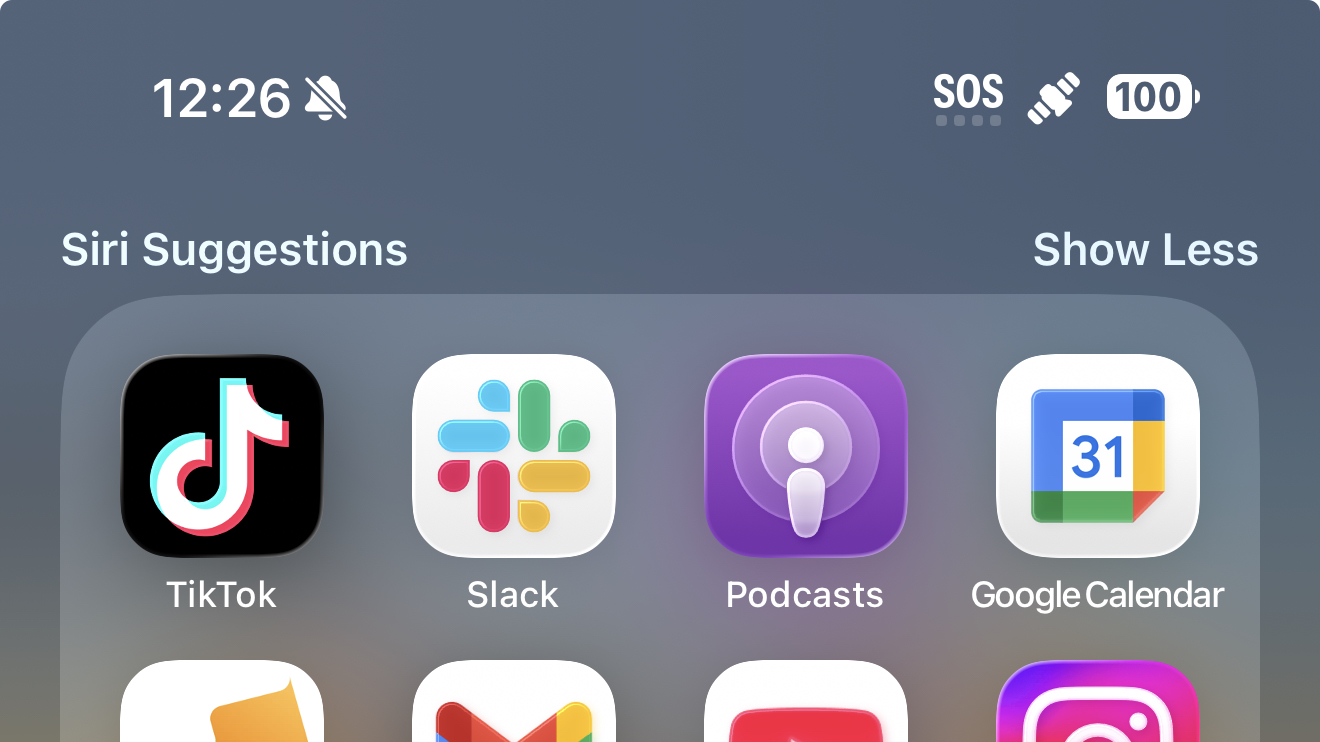
Verizon experienced a widespread U.S. network outage on January 14, 2026, interrupting wireless voice calls, text messaging, and mobile data service for customers in multiple regions, according to incident summaries compiled from user reports and company acknowledgments.
The disruption appeared to begin in the late morning to early afternoon Eastern Time, with outage-reporting platforms registering a rapid surge in complaints. At the peak, reports reached the hundreds of thousands, reflecting the scale of the interruption and the speed with which users noticed degraded service.
Many customers said their phones displayed “SOS” or “SOS only,” particularly on Apple devices, signaling that normal cellular connectivity was unavailable while certain emergency functions might still be accessible. Users described being unable to complete everyday tasks such as making calls, receiving verification codes, or using maps and ride-hailing services that depend on mobile data.
The outage was described as national in footprint, affecting major metropolitan areas including New York City, Washington, D.C., Chicago, Los Angeles, Boston, and Atlanta, with reports also coming from states across the country. As in past carrier incidents, the real-world impact varied by location, device configuration, and whether users could fall back on Wi‑Fi.
Verizon acknowledged the problem via its official communications channels and said engineering teams were working to identify and resolve the incident as quickly as possible. The company did not immediately disclose a specific root cause or provide a firm restoration timeline in the earliest public updates referenced in the summary.
Large telecom outages raise recurring questions for consumers and regulators: how carriers build redundancy, how they prioritize emergency communications, and how quickly they can communicate accurate restoration estimates. They also expose dependencies across the economy—when authentication, delivery logistics, and workplace connectivity assume mobile networks will always be available.
In the wake of major disruptions, carriers often face pressure to clarify what failed—whether the trigger was software, routing, power, or capacity—and what changes will prevent recurrence. For customers, the immediate concern is practical reliability: whether the same breakdown could happen again during severe weather, travel, or emergency situations.