26/01/2026
Georgia lawmakers weigh a moratorium on new AI datacenters amid rising power and water concerns
Georgia is leading a growing push to pause construction of new datacenters that support the AI boom, as lawmakers and residents warn that unchecked growth could raise utility costs and strain energy and water systems.
- Published
- Revised
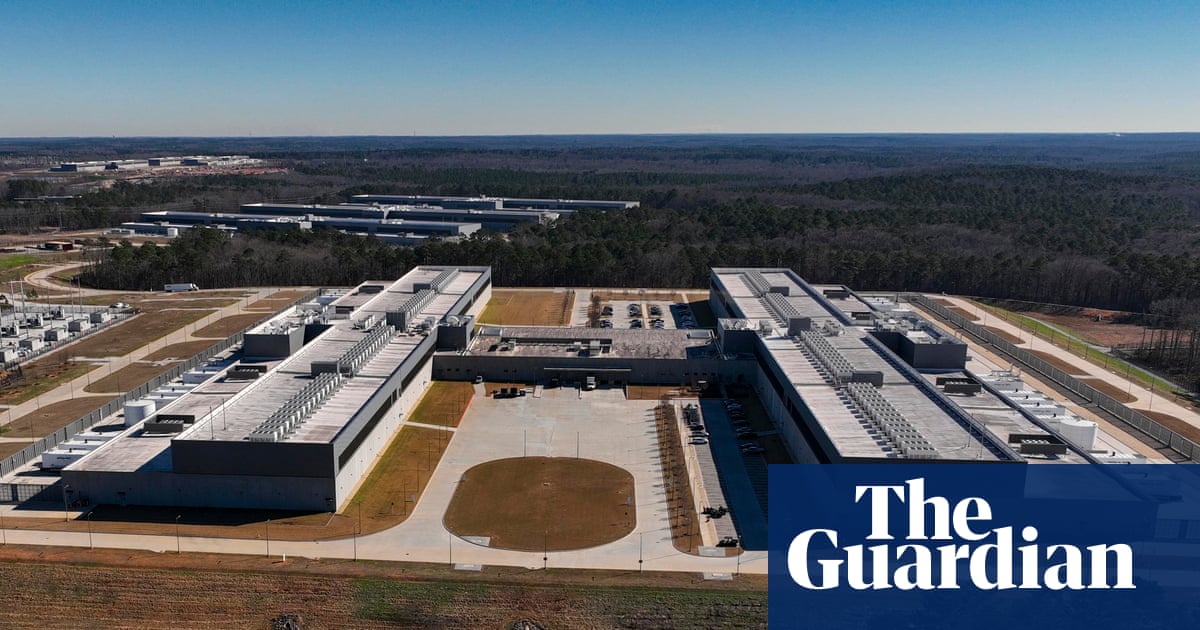
AI infrastructure meets local backlash
Georgia lawmakers are considering a statewide pause on new datacenter construction as debate intensifies over how the infrastructure behind the AI boom affects electricity demand, water use, and household utility bills. The proposed approach would temporarily halt new projects while governments develop clearer rules for permitting, taxation, consumer protections, and accountability measures tied to the facilities’ resource footprint.
A bill introduced in the state legislature would establish a moratorium through March 2027, giving regulators and local communities time to set standards before additional large-scale developments move forward. Supporters say the goal is not to block technology but to prevent a wave of projects from locking in costs—such as grid expansions and incentives—without public scrutiny. Critics of rapid expansion argue that subsidies and tax breaks have encouraged growth while shifting long-term infrastructure burdens onto ratepayers.
Why datacenters have become an election issue
The debate is unfolding as Georgia’s Public Service Commission and state politics face heightened attention, with consumer advocates warning that the electricity system is being reconfigured around datacenter demand. Residents in affected areas say they are seeing new transmission proposals, concerns over water withdrawals, and uncertainty about local benefits relative to the scale of resource use. Lawmakers from both parties are exploring measures that would force greater transparency on energy projections and project impacts.
- Power: large load growth tied to AI and cloud computing can drive new generation and grid upgrades.
- Water: cooling needs vary by design but can be substantial, especially during heat waves.
- Economics: incentives can lower near-term costs for developers while raising questions about who pays for long-term infrastructure.
The core policy fight is whether ‘build fast’ should come before ‘set rules.’
As other states watch Georgia’s approach, the outcome could influence how quickly the next phase of AI infrastructure is built—and how much leverage communities have to demand conditions such as reporting requirements, efficiency targets, and limits on public subsidies.