28/01/2026
Study warns unexplained pauses in CDC databases could weaken outbreak detection and public trust
A study reported that nearly half of CDC databases that were previously updated at least monthly stopped or delayed updates in 2025, with many pauses affecting vaccination and respiratory disease data—raising concerns about transparency, outbreak response and evidence‑based decision‑making.
- Published
- Revised
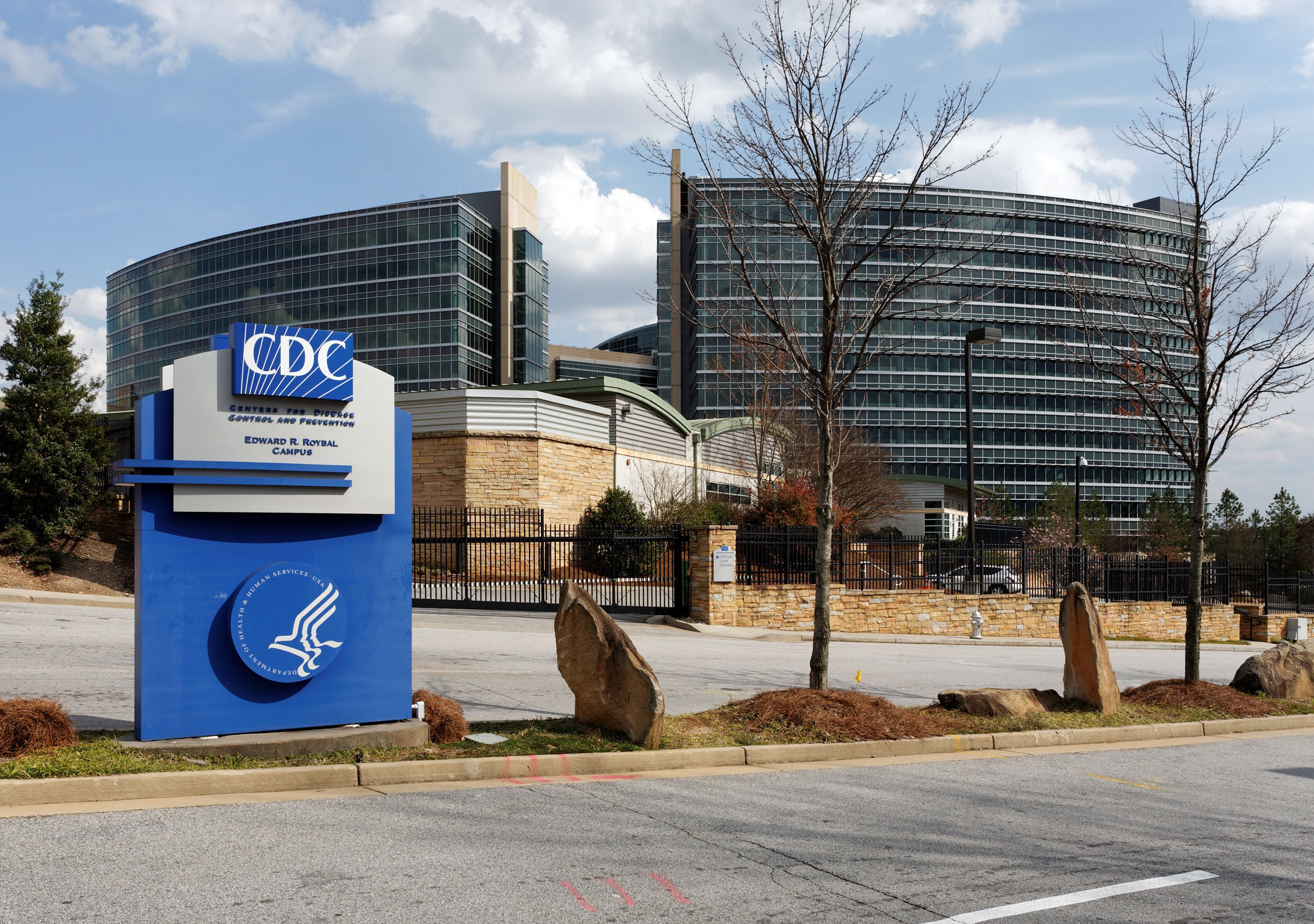
A new analysis published in January 2026 warns that large gaps in federal public‑health data could leave the United States less prepared for outbreaks and other emergencies, after researchers found widespread pauses in routine CDC database updates during 2025.
According to reporting on the study, nearly half of CDC public databases that were previously updated at least monthly were no longer current as of late October 2025. Many of the affected systems were tied to vaccination information, while other paused datasets tracked respiratory diseases and drug overdose deaths.
The concern is practical, not abstract: delayed or missing surveillance updates can slow the detection of rising disease activity, blur the picture of which communities are most at risk, and make it harder for state and local health departments to target preventive action quickly.
The study and accompanying commentary argued that transparency is part of the infrastructure of public health. Even if databases remain accessible, unclear status messages—such as missing explanations, timelines, or notices that an update cadence has changed—can undermine researchers, clinicians, and policymakers who rely on timely data.
Researchers recommended basic standards for public reporting: clear indicators when a database is paused, a reason for the delay, and an expected timeline for resumption. They warned that prolonged unexplained gaps risk weakening evidence‑based decisions and eroding public trust in health guidance.