25/01/2026
ACA enrollment dips as subsidies expire and higher premiums hit consumers
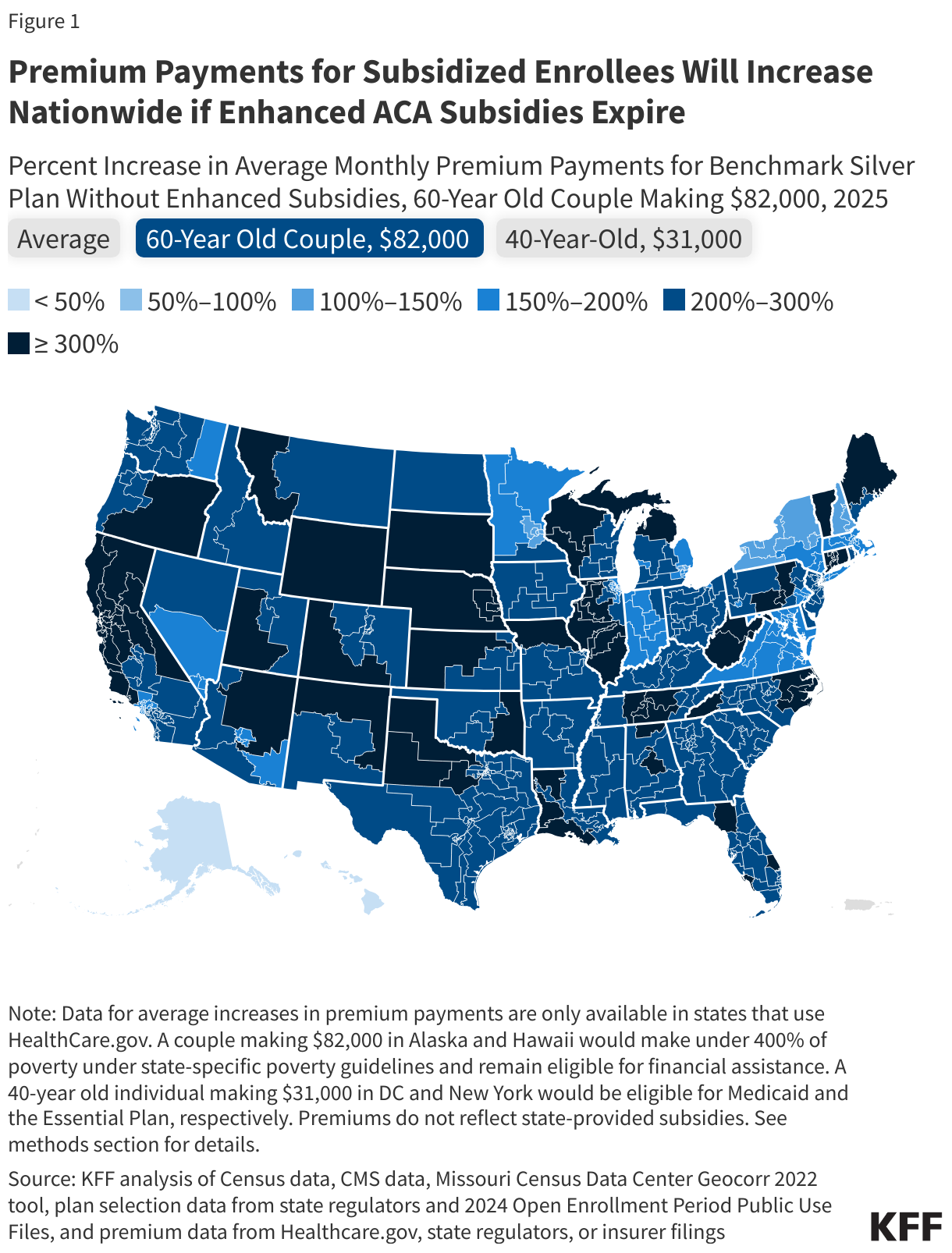
The Affordable Care Act’s enrollment window ends in most states as enhanced subsidies that lowered premiums expired on Jan. 1, 2026, leaving millions facing higher monthly costs and Congress still debating a fix.
- Published
- Revised
Enrollment deadline arrives amid higher premiums
The final day to enroll in Affordable Care Act health plans arrived in most U.S. states with consumers confronting higher monthly costs after the expiration of enhanced federal subsidies. Those expanded subsidies, introduced during the COVID-era to lower premiums for the vast majority of enrollees, ended on January 1, 2026, and analysts say the resulting price increases are already affecting sign-up behavior.
Enrollment was running below last year’s record pace, with about 22.8 million people signed up compared with roughly 24 million a year earlier. Some enrollees told reporters they delayed selecting a plan in hopes Congress might restore the subsidies, while others considered enrolling but then canceling if premiums prove too expensive once the first bill arrives.
Some states extend enrollment; Congress debates a deal
Not every state has the same calendar. Ten states extended their enrollment deadlines through the end of January, giving consumers more time while lawmakers in Washington negotiate. The House passed a three-year extension of the subsidies with some Republican support, but a similar Senate bill failed previously, leaving uncertainty about what relief—if any—will arrive soon.
A bipartisan Senate working group has been discussing a compromise that would extend subsidies for two years while adding eligibility limits and introducing health savings accounts, which many Republicans support. The talks also include potential changes to enrollment timing, including a possible extension of the enrollment period to March 1, though key political disagreements remain unresolved.
Why the subsidy lapse matters for coverage
Health policy experts warn that higher premiums can translate quickly into coverage losses, especially for households that had benefited most from the expanded subsidies. When monthly payments jump, consumers may shift to cheaper plans with higher deductibles, move to alternative coverage if available, or become uninsured—often risking financial instability if unexpected medical costs arise.
The next steps depend on whether Congress acts soon enough to influence decisions made in late January and early February, and on how insurers and regulators handle potential midstream changes. For now, consumers face a time-sensitive choice: pick coverage at a higher price, or gamble that a legislative fix will come later.