25/01/2026
International health authorities to review whether US is losing measles elimination status
A persistent chain of measles transmission that began in early 2025 has spread across multiple states, and PAHO is expected to review in April 2026 whether the U.S. meets the threshold for losing its elimination designation.
- Published
- Revised
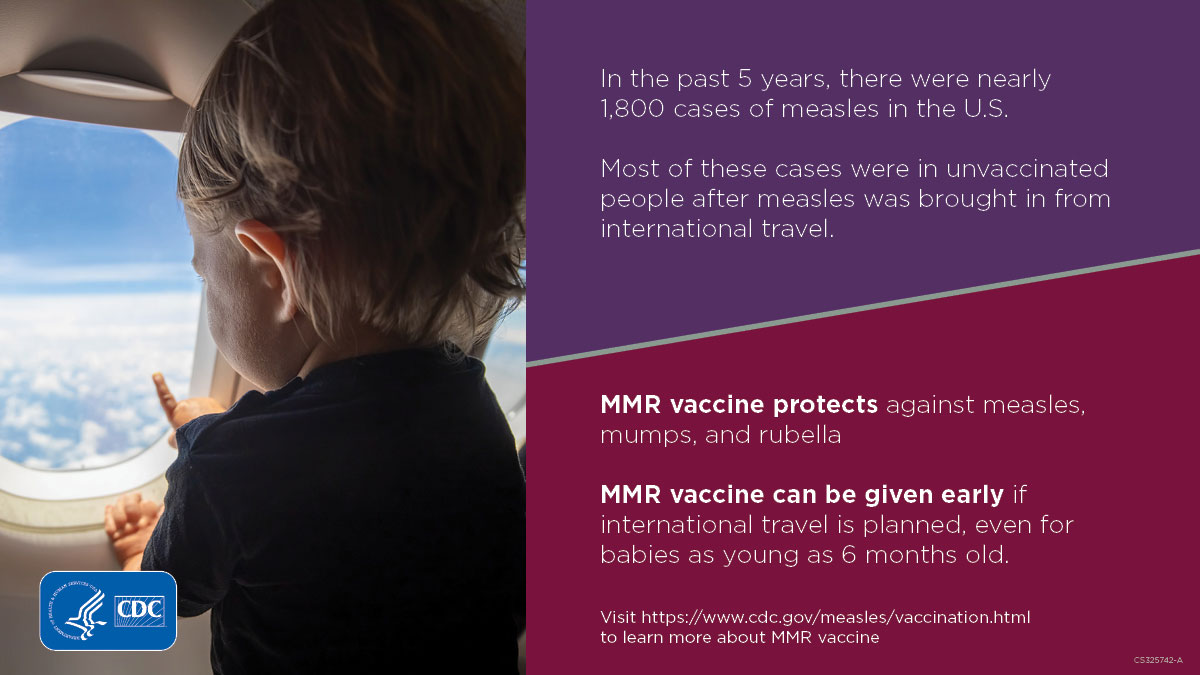
The United States is nearing a symbolic but consequential public-health milestone in the wrong direction: international experts are preparing to assess whether the country has lost its measles elimination status amid a persistent, multi-state outbreak. The Pan American Health Organization (PAHO) is expected to review the data in April 2026, with the determination hinging on whether a single chain of transmission has continued in the U.S. without interruption for at least 12 months.
The current measles crisis traces back to an outbreak that began in West Texas in January 2025 and later spread across state lines. Public health scientists are working to determine whether the now-ended Texas outbreak is linked to ongoing outbreaks in places including Utah, Arizona and South Carolina. Even if technical definitions complicate the designation, experts say the practical reality is the same: measles has found conditions where it can spread widely again.
The numbers underscore the scale of the problem. The U.S. recorded 2,242 measles cases last year across 44 states, the highest count since 1991, along with nearly 50 outbreaks. Specialists say the resurgence reflects multiple pressures converging at once — pockets of undervaccination, access barriers, misinformation and declining trust, plus the strain on local health departments tasked with case investigation and contact tracing.
Genetic sequencing has shown the same measles strain appearing in multiple North American locations, which can support links among outbreaks. But measles mutates slowly compared with viruses like influenza, meaning genetics alone may not be enough to prove a continuous chain of transmission. That has shifted attention to traditional epidemiology — interviews, exposure mapping and labor-intensive tracking — at a time when experts say U.S. public health systems have fewer resources than in prior eras.
If PAHO declares the loss of elimination status, it would not mean measles is suddenly endemic everywhere, but it would be a warning signal about vulnerability in vaccination coverage and response capacity. Doctors emphasize that measles remains among the most contagious viruses and that prevention depends heavily on maintaining strong MMR vaccination rates. Whether or not the designation changes in April, public health leaders say rebuilding immunization confidence and infrastructure will be essential to stopping repeated cycles of outbreaks.