25/01/2026
U.S. narrows routine childhood vaccine recommendations, prompting warnings from doctors
Federal officials reduced the number of vaccines universally recommended for children, a change physicians’ groups say could increase preventable illness and deepen confusion for families.
- Published
- Revised
A major shift in the recommended schedule
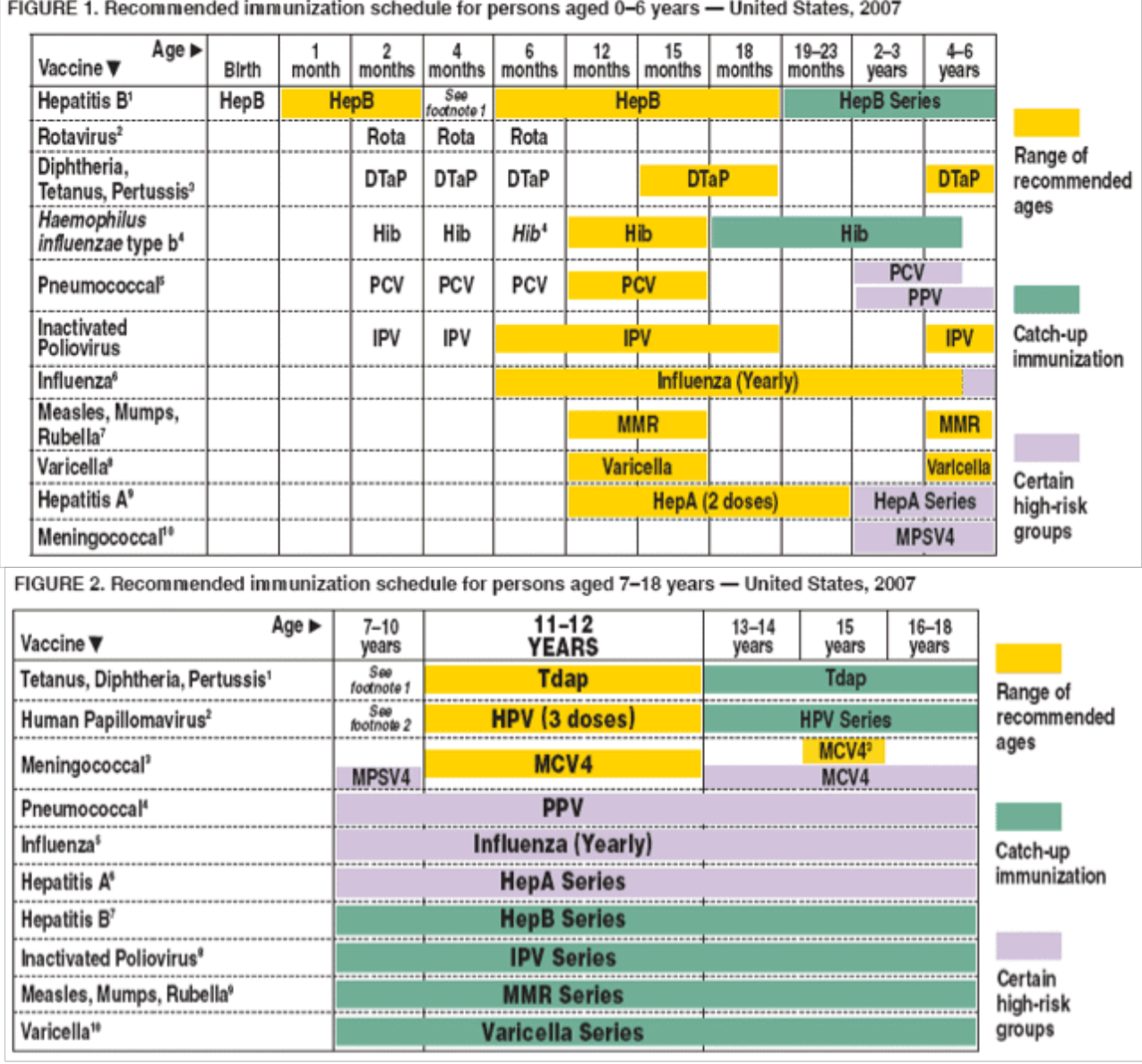
U.S. health officials have made a sweeping change to the childhood immunization schedule by narrowing which shots are broadly recommended for all children versus those reserved for high-risk groups or for shared decision-making with clinicians. The revision drew sharp criticism from major physician organizations and public-health experts, who argue that routine recommendations are meant to protect not only individual children but also communities through higher coverage.
Under the changes reported by the Associated Press, several vaccines that were previously widely recommended—such as those targeting influenza and rotavirus—are no longer listed as universally recommended for every child, shifting instead toward risk-based use. Supporters of the move say it better aligns U.S. policy with schedules in some other countries and could rebuild public trust; opponents say the process lacked adequate expert review and could encourage lower uptake.
Doctors’ groups warned that narrowing recommendations could lead to more outbreaks and worse outcomes, especially because diseases like influenza and rotavirus can cause severe illness in children and are historically mitigated through widespread immunization. They also cautioned that families may interpret a narrower recommendation as a signal that vaccines are unnecessary or unsafe, even when evidence supports their benefits.
What happens next for families and states
Even with federal guidance changed, school-entry requirements and many immunization rules are set at the state level, and states may respond differently. Some states could keep existing requirements, while others might adjust them. That patchwork, experts say, could lead to confusion for parents moving between states or trying to interpret which shots are “required,” “recommended,” or simply “available.”
Clinicians anticipate more time spent counseling families, explaining that a shift in federal recommendations does not necessarily change the underlying risk of disease. The debate also raises broader questions about how immunization policy is set, who has authority to revise schedules, and what level of transparency is needed when decisions affect national public-health protections.