27/01/2026
Kaiser walkout raises patient-care concerns as unions cite staffing and retention pressures
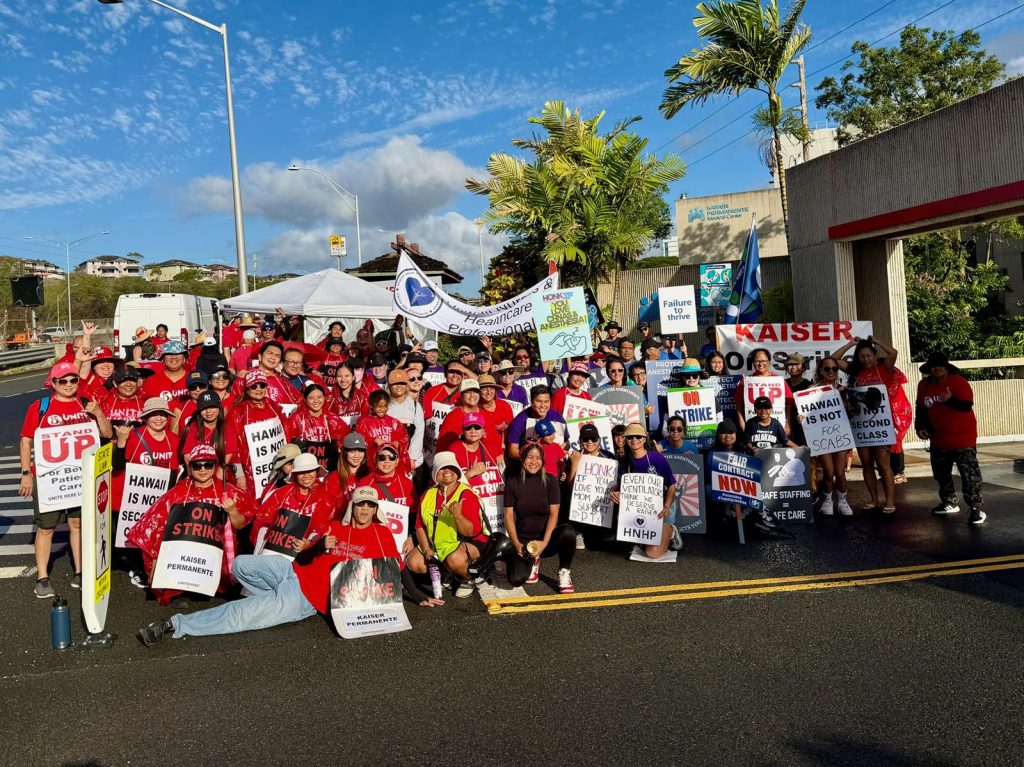
Health-care unions say understaffing, retention strain, and bargaining disputes are at the center of the open-ended Kaiser Permanente strike impacting California and Hawaii. Kaiser says facilities will remain open as negotiations continue, but the disruption spotlights the broader workforce squeeze in U.S. health care.
- Published
- Revised
What the strike means for health care delivery
The open-ended Kaiser Permanente strike that began Monday, January 26, 2026, is being closely watched as a test of how large health systems manage care delivery during major labor disruptions. While Kaiser has said its hospitals and clinics will remain operational, unions argue that staffing shortages and recruitment struggles have already affected workloads and timeliness of care, making continuity planning a major concern for patients and frontline teams.
Health-care strikes differ from many other sectors because patient safety and clinical coverage are immediate operational priorities. Systems typically redeploy managers, postpone elective procedures, and bring in temporary staff where possible, but these measures can create uneven capacity across specialties and locations, especially if the strike lasts longer than expected.
Staffing, retention, and burnout pressures
Union representatives have emphasized that the dispute is about more than wages. They point to staffing ratios, retention challenges, and working conditions as key drivers, arguing that inadequate staffing can lead to longer waits, higher workloads, and greater turnover. These concerns reflect a wider health-care trend: many facilities continue to grapple with shortages in critical clinical roles after years of pandemic-era stress and elevated burnout.
From a public health perspective, staffing is not merely a labor issue. It can influence patient throughput in emergency departments, bed availability, and the speed of follow-up care. Even if emergency services are prioritized, disruptions can cascade into other parts of the system, especially in densely populated regions with limited alternative capacity.
Negotiations and what comes next
Kaiser and the union have disputed the causes of stalled bargaining, with workers accusing management of undermining negotiations and Kaiser disputing those allegations. With no fixed end date, the strike’s impact will depend on whether the parties can quickly narrow differences on both compensation and staffing-related provisions.
For patients, the practical guidance is often local: check facility updates, confirm appointments, and expect longer call-back times for non-urgent services during high-strain periods. For the broader system, the strike is another signal that the U.S. health-care workforce remains in a fragile equilibrium, where staffing levels, quality of care, and labor stability are tightly linked.